Depositphotos Image Gallery in Web-to-Print Workflows

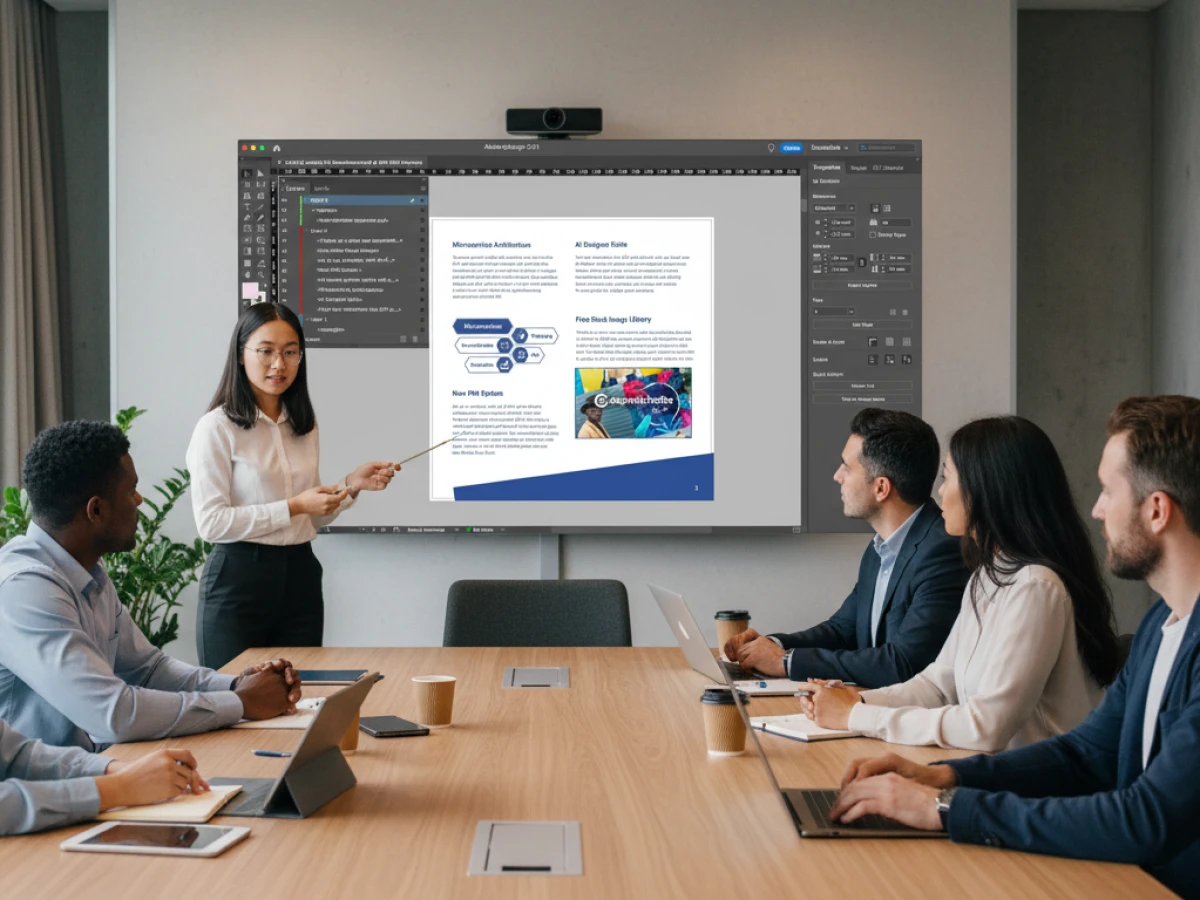
The Depositphotos Image gallery integrates professional stock imagery directly into printQ’s web-to-print workflows. Users select, preview, and apply licensed visuals inside the editor without leaving the platform. Combined with templates, VDP, and automation, printQ turns image sourcing into a scalable, production-ready process for B2B and B2C.
Why Image Availability Matters in Web-to-Print
In web-to-print, images are not decorative details. They are production inputs that influence quality, turnaround time, and cost. When users must source visuals externally, workflows fragment. Files arrive in inconsistent formats, licenses are unclear, and prepress teams spend time fixing avoidable issues.
The Depositphotos image gallery addresses this bottleneck by embedding professional stock imagery directly into the printQ environment. Images become part of the same controlled workflow as templates, personalization, and production automation.
Core benefit: faster creation without sacrificing governance or output quality.
printQ Positioning: Premium Web-to-Print with Integrated Content
printQ is designed as a premium web-to-print platform for B2B and B2C. It combines storefronts, editors, templates, and production workflows in one system. Integrating an image gallery aligns with this philosophy.
Rather than treating content as an external dependency, printQ brings imagery into the platform. Users work inside a single interface, while the system enforces rules that protect production standards and brand integrity.
This approach scales better than disconnected tools.
What the Depositphotos image gallery Enables
The Depositphotos image gallery provides direct access to a broad library of professional images from within printQ. Users can search, preview, and place visuals without leaving the editor.
Instead of downloading assets, uploading files, and resolving format issues, imagery becomes a native resource. This reduces friction for end users and workload for internal teams.
Practical outcome: shorter order cycles and fewer support requests.
Image Selection Inside the Online Editor
The online editor is where most users interact with printQ. Integrating the image gallery here is a deliberate design choice.
Search and Preview Without Context Switching
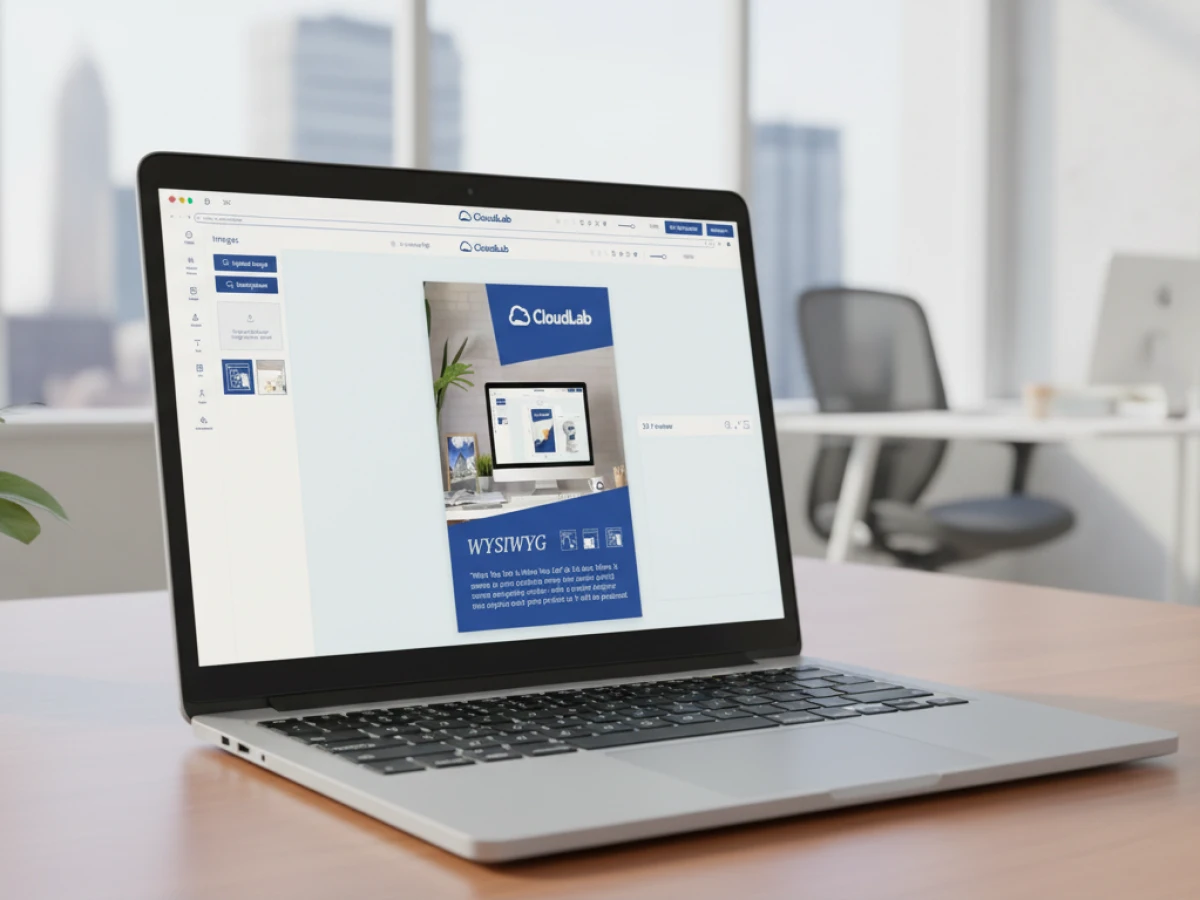
Users can search the image library directly in the editor. Visuals are previewed in the context of the layout, not as abstract thumbnails.
This ensures design decisions are made with the final product in mind.
One-Step Placement into Templates
Selected images are placed directly into templates. They inherit the same rules as other elements, including size constraints and bleed considerations.
Operational advantage: no uncontrolled assets entering the workflow.
Templates, Images, and CI Consistency
Templates are the backbone of scalable web-to-print. The image gallery complements this structure.
Templates define where images can be used and how they behave. The Depositphotos image gallery provides content that fits into these predefined areas. Critical brand elements remain protected, while visual variety is enabled within safe boundaries.
This is especially valuable for franchises, agencies, and enterprises managing many users.
Variable Data and Image-Based Personalization
Personalization often extends beyond text. Images can vary by region, campaign, or audience segment.
printQ supports Variable Data Printing workflows where images from the gallery can be combined with data-driven logic. This allows image-based personalization at scale without manual handling.
Key point: personalization remains automated, even when visuals change.
Licensing Confidence in Production Workflows
One of the hidden risks in decentralized image sourcing is licensing. When users upload assets from unknown sources, compliance becomes unclear.
By using the Depositphotos image gallery inside printQ, imagery is sourced from a professional library with clear usage terms. This reduces legal uncertainty and administrative overhead.
For enterprises and agencies, this is not a minor detail. It is a governance requirement.

Automation Benefits Beyond Creativity
Integrating imagery into the workflow has downstream effects on automation.
Preflight and Image Validation
Images selected from the gallery meet predefined quality standards. Resolution, color profiles, and formats align with production requirements.
This reduces the number of preflight errors and manual corrections.
Predictable Output Quality
When imagery is controlled, output quality becomes more consistent. This improves customer satisfaction and reduces reprints.
Efficiency gain: automation works best when inputs are standardized.
B2C Use Cases: Speed and Ease of Use
In B2C scenarios, speed matters. Users expect to create products quickly without design expertise.
The Depositphotos image gallery lowers the barrier. Customers can select professional visuals and apply them instantly. Combined with WYSIWYG previews, this creates confidence and reduces abandonment.
For print providers, this translates into higher conversion rates and fewer support interactions.
B2B Portals: Control Without Creative Bottlenecks
B2B portals often serve non-designers who still need professional results. Marketing teams want control, but local users need flexibility.
printQ balances this by combining CI-secure templates with curated imagery. The image gallery can be used within defined limits, ensuring brand consistency without slowing local teams.
Result: governance and agility coexist.
Agencies and White-Label Environments
Agencies managing multiple clients face a unique challenge. Each client has different brand rules, templates, and expectations.
printQ supports white-label setups with multi-client portals. The Depositphotos image gallery fits naturally into this model by providing a shared content source that can be used across projects.
Agencies reduce dependency on external design steps while maintaining quality.
Enterprises and Franchise Networks
In enterprise and franchise environments, image usage must be consistent and compliant. Central teams define templates and guidelines, while local units execute.
The integrated image gallery ensures that local teams use approved visuals. Combined with approval workflows, this creates a structured yet efficient process.
Strategic value: reduced risk at scale.
How Image Integration Supports Lights-Out Workflows
Lights-out workflows rely on predictable inputs. Uncontrolled images introduce variability that breaks automation.
By integrating imagery directly into printQ, the system maintains control from design to production. Files flow through preflight and production without unexpected issues.
This supports true end-to-end automation, even in high-volume environments.
Open Integrations and Image Data
printQ’s API-first architecture ensures that image usage data can be integrated into broader systems.
Production systems, ERP, or MIS platforms receive structured job information. Images are not just files but part of a defined workflow.
This transparency improves reporting and process optimization.
SaaS and On-Premise Considerations
Whether printQ runs as SaaS or on-premise, the Depositphotos image gallery integrates seamlessly into the workflow.
SaaS users benefit from rapid availability and standardized updates. On-premise deployments retain control over infrastructure while offering the same user experience.
Deployment choice does not limit creative or operational capability.
Scaling Image-Driven Workflows Across Portals
As organizations grow, image usage must scale without chaos. printQ supports multi-client architectures where many portals share a common workflow logic.
Each portal can have its own templates and rules, while the image gallery remains a consistent resource. This prevents fragmentation and reduces maintenance effort.
Operational outcome: scalable growth with stable processes.
USPs That Matter When Images Are Involved
- Adobe Commerce integration: reliable commerce data combined with content control
- Template-driven governance: images used within defined boundaries
- Automated preflight: fewer image-related production errors
- API-first design: transparent workflows and reporting
- B2B and B2C in one system: consistent image usage across channels
These factors turn image selection into a controlled, scalable operation.
Mini Scenarios from Real Operations
High-Volume Promotional Print
In promotional campaigns, speed and consistency are critical. Integrated imagery eliminates delays caused by asset sourcing and approval loops.
Localized Marketing Materials
Franchises often localize visuals. The image gallery enables variation without compromising brand standards.
Self-Service Corporate Portals
Internal users need autonomy but not creative freedom without limits. Templates plus curated images strike the right balance.
How to Evaluate Image Integration in Web-to-Print
When assessing platforms, image integration is often underestimated.
- Can users select professional images without leaving the editor?
- Are images governed by templates and workflows?
- Do image choices support automation and preflight?
Clear answers indicate a mature platform.
The Bigger Picture: Content as Part of Production
Web-to-print success depends on treating content as a production input, not an external variable. The Depositphotos image gallery supports this mindset.
By embedding imagery into the same system that handles templates, data, and automation, printQ reduces friction and increases reliability.
Strategic insight: content integration is a workflow decision, not a cosmetic feature.
Imagery That Scales with Production
The Depositphotos image gallery strengthens printQ by integrating professional imagery directly into web-to-print workflows. Users select licensed visuals inside the editor, templates enforce CI rules, and automation ensures production readiness. Combined with printQ’s Adobe Commerce foundation, preflight, and end-to-end automation, image sourcing becomes fast, compliant, and scalable for B2B and B2C.
Furthermore the Depositphotos image gallery brings professional stock imagery directly into Cloud Labs printQ’s web-to-print workflows. Users search, preview, and place images inside the editor without breaking the process. Templates, automation, and preflight ensure CI compliance and production readiness. Built on Adobe Commerce and designed for SaaS or on-premise use, printQ turns image sourcing into a scalable, governed, and efficient part of modern print operations.