Web to Print Solutions for Modern Print Commercens
Choosing the right web to print solution is less about “having an online shop” and more about building an automated print commerce engine. printQ combines Adobe Commerce depth, a production-aware editor, templates and VDP, and API-first integration to scale B2B and B2C in one system. The result is faster ordering, fewer manual touchpoints, and a platform that grows from one portal to hundreds.
What Decision-Makers Really Mean When They Ask for Web to Print Solutions
Most teams start with a simple goal: “We need customers to order print online.” Then reality hits. Products are configurable, files need to be correct, pricing is complex, and production cannot wait for manual checks. Suddenly, “web-to-print” isn’t a feature. It’s an operating model.
That’s the context in which web to print solutions matter. They are not just storefronts. They are the connective tissue between customer experience, data, automation, and manufacturing-grade execution. printQ is built for exactly this level of ambition: premium web-to-print for modern print businesses and enterprises that need reliability at scale.
The Hidden Cost of “Basic” Web-to-Print
Many solutions look similar in demos. A product list, an upload button, a preview. The differences appear later, in daily operations.
When a web-to-print solution lacks deep commerce logic and production automation, teams compensate with manual work:
- customer service clarifies file issues
- prepress fixes recurring mistakes
- sales manages pricing exceptions
- IT builds “glue” integrations that never end
Key point: the cheapest tool often becomes the most expensive workflow.
printQ is designed to remove these recurring manual loops by treating web-to-print as an end-to-end system.
printQ Positioning: Premium Web-to-Print for B2B and B2C
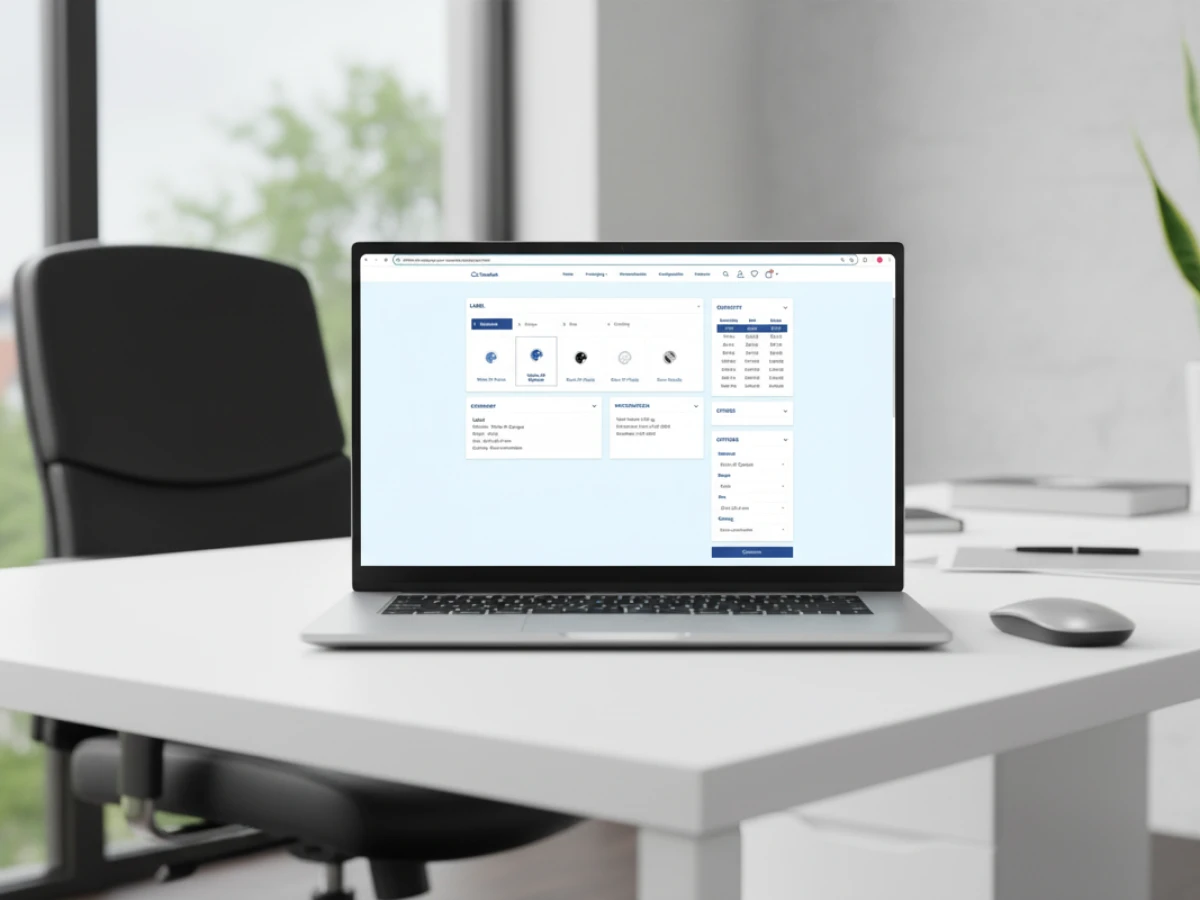
printQ is built for print businesses, agencies, and enterprises that need one platform for multiple business models. It supports both open B2C storefronts and closed B2B portals with roles, permissions, and approvals.
This matters because most organizations don’t live in one channel. A print provider may sell consumer products while running procurement portals for corporate customers. A brand may need internal ordering for subsidiaries and localized marketing materials for franchises. printQ supports these realities without duplicating infrastructure.
Strategic benefit: one system, consistent governance, scalable operations.
Why Adobe Commerce Changes the Game
printQ is the only web-to-print solution built natively on Adobe Magento / Adobe Commerce with deep e-commerce integration. That is not a marketing detail. It changes what the platform can do reliably.
Adobe Commerce brings mature capabilities that typical web-to-print tools struggle to replicate:
- complex pricing logic and customer-specific price lists
- segmentation, account hierarchies, and B2B purchasing features
- scalable catalog management for thousands of SKUs
- internationalization, multi-currency, multi-store setups
printQ builds the print-specific layer on top of this enterprise commerce foundation, instead of reinventing the basics.
SaaS or On-Premise: Deployment That Fits Your Risk Profile
Not every organization has the same requirements. printQ can be operated as SaaS (cloud) or on-premise.
SaaS works best when teams want fast rollout, lower infrastructure effort, and continuous updates. On-premise fits organizations with strict IT policies, sensitive data environments, or highly customized hosting demands.
Practical takeaway: deployment should follow governance, not trend.
The Editor: Where Experience and Production Must Agree
The editor is often the make-or-break component of web to print lösungen. If customers cannot configure correctly, internal teams pay the price.
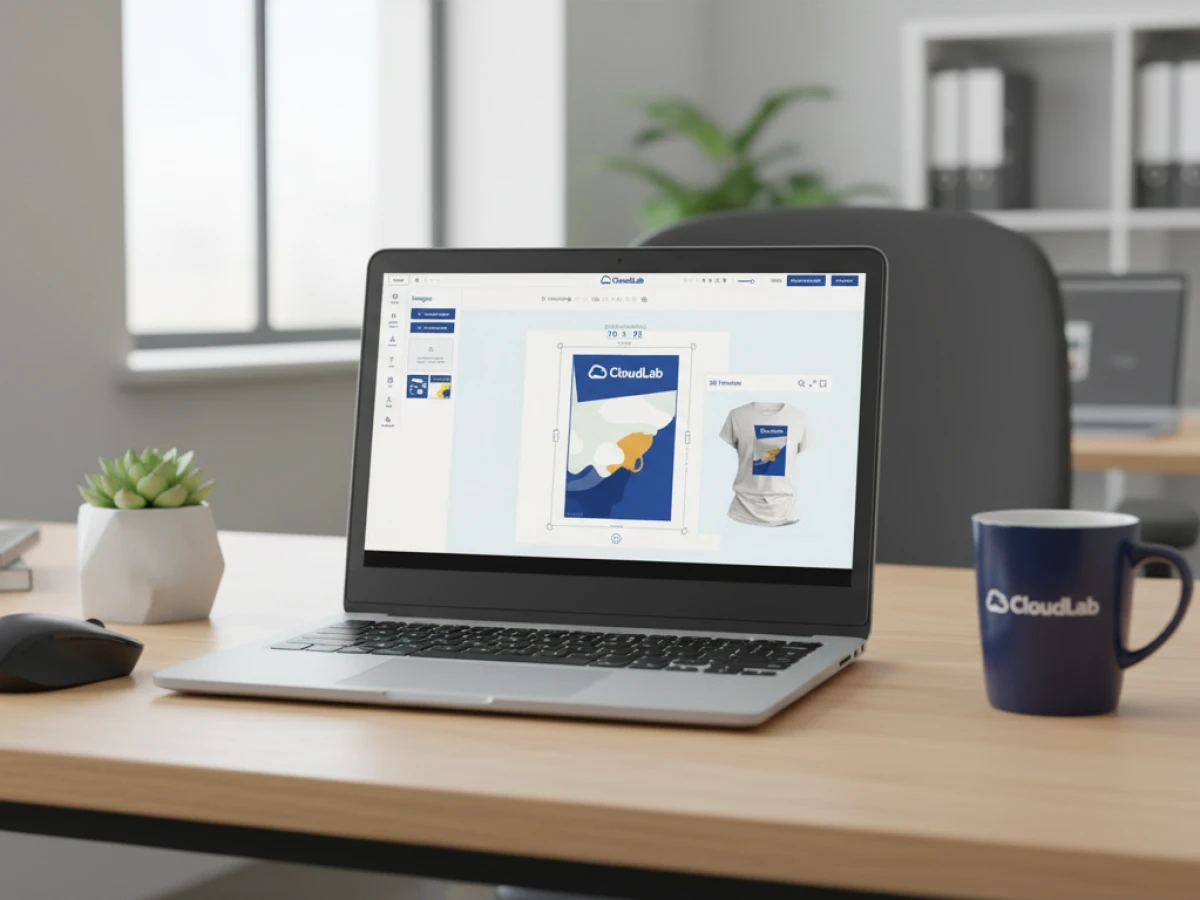
printQ’s WYSIWYG editor is production-aware. It combines usability with output control and offers 2D and 3D previews that reflect the final product, not a vague approximation.
2D/3D Preview That Reduces Support Load
Preview accuracy is not “nice to have.” It prevents wrong expectations and reduces rework. When customers see folds, formats, and layouts clearly, the number of avoidable tickets drops.
Vectorization and Asset Preparation
In real projects, users upload all kinds of files. printQ supports vectorization and optimization to raise quality and consistency.
Operational win: fewer manual prepress corrections, smoother throughput.
Visualizing Finishing and Enhancements
Many print products depend on finishing: foils, varnishes, embossing, special layers. printQ can represent these enhancements visually so the customer understands what they order and production receives structured information.
Templates and CI Control: Scaling Orders Without Scaling Risk
For brands, franchises, and agencies, customization cannot be uncontrolled. Templates are the guardrails that make volume possible.
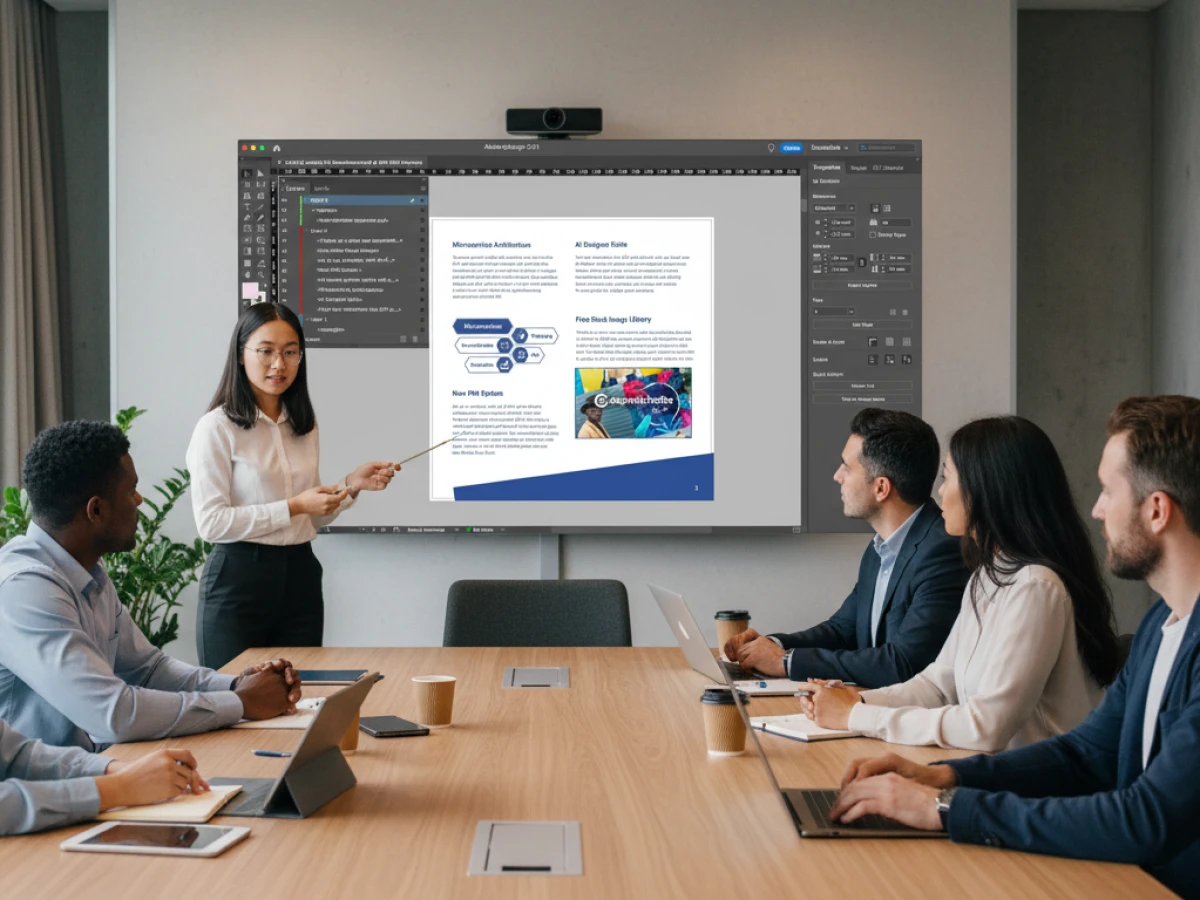
printQ offers a template gallery that supports CI-safe personalization. Fixed elements remain protected while variable zones allow names, images, offers, locations, or localized details to change.
This enables consistency across hundreds of teams and regions without slowing everything down through manual approvals.
Core concept: freedom within boundaries.
Variable Data Printing: Mass Customization That Stays Efficient
VDP is central to modern web-to-print. It turns campaigns into scalable production runs.
printQ supports Variable Data Printing for mass customization. That includes not only names and addresses, but also content variations that align with customer segments, regions, or campaign logic. The platform is built to handle the operational reality: high volume, strict deadlines, and zero tolerance for errors.
When VDP is integrated properly, personalization becomes a repeatable process rather than a one-off project.

Mobile Upload and QR Workflows: Removing Friction for Users
Ordering often happens where the content is created: on phones, in the field, in stores, or in distributed teams. printQ supports mobile uploads via QR code and flexible data handovers.
For enterprises and franchises, this is a practical advantage. Local teams can upload assets quickly while the system enforces brand rules and production requirements in the background.
Result: higher adoption, fewer “workarounds,” faster ordering cycles.
Automation and Preflight: The Real Engine Behind Scale
The biggest scaling limit in print is manual handling. That’s why printQ emphasizes automation and preflight as foundational features.
Automated Preflight That Prevents Repeat Mistakes
Preflight checks validate files and data before they enter production. Instead of discovering issues late, printQ catches them early when they are cheapest to fix.
This reduces waste, reprints, and schedule disruptions.
Lights-Out Workflows for Predictable Throughput
The phrase “lights-out” matters because it describes a system that can run with minimal manual intervention. Orders flow from storefront to production with structured job data and consistent outputs.
Business impact: you can increase order volume without increasing headcount at the same rate.
Open Integrations: API-First, Headless, and Built for Real IT Landscapes
Print commerce rarely exists alone. It must connect to ERP, MIS, CRM, PIM, shipping, and finance systems. printQ is built for this environment with open interfaces and an API-first approach.
Supported integration formats include REST/SOAP, XML, JDF, CSV, and JSON. This makes it possible to integrate printQ into existing stacks rather than forcing a platform change.
Headless When You Need It
Some organizations want a custom frontend, multiple brands, or performance-optimized experiences. A headless approach allows that while keeping the core workflow logic consistent.
Long-term advantage: flexibility without vendor lock-in.
Multi-Client Scaling: From One Shop to Hundreds of Portals
Many businesses start with one storefront and quickly expand. New brands, new regions, new enterprise customers, new portals. Without the right architecture, this growth becomes a patchwork.
printQ supports scaling from one shop to hundreds of multi-client portals. Each portal can have its own:
- templates and product sets
- roles and permissions
- pricing logic and customer rules
- brand constraints and approvals
Meanwhile, the underlying automation and integration layer remains centralized.
Operational benefit: growth without fragmentation.
Use Cases That Make web to print lösungen Worth the Investment
Print Service Providers and Commercial Printers
For printers, the goal is to reduce friction, automate repeat orders, and standardize complexity. printQ enables self-service ordering while protecting production integrity.
This frees internal teams to focus on higher-value work, not repetitive fixes.
Agencies Running Multi-Brand Portfolios
Agencies need white-label capabilities, reliable template governance, and multiple customer shops. printQ supports multi-client setups and CI-secure templates, so agency teams can deliver scale with control.
Enterprises and Franchise Organizations
Enterprises need closed shops, approvals, and centralized template governance. Franchises need local flexibility without breaking the brand. printQ supports both through roles, permissions, and structured customization.
Outcome: global consistency, local relevance.
The USPs That Actually Matter in Daily Operations
printQ stands out through a set of practical advantages that show up in execution, not just slides.
Adobe Commerce integration: enterprise e-commerce depth for print.
API-first and headless: flexibility without lock-in.
B2B and B2C in one system: less duplication, more control.
End-to-end automation: fewer manual touchpoints.
Global proof: 1000+ live portals running in real operations.
These USPs combine into a simple promise: scale the business, not the workload.
Mini Case Snapshots: What “Better” Looks Like
SAXOPRINT-Style Scenario: High Volume, High Expectation
In a high-volume environment, speed matters and errors are expensive. printQ’s automated workflows and commerce depth help stabilize operations under load.
Druckhäusle-Style Scenario: CI Templates and Repeat Orders
When customers reorder frequently and need brand consistency, templates and closed-shop logic become a competitive advantage. printQ turns repeat business into a streamlined process.
Velocity Graphics-Style Scenario: Enterprise Portals and Integrations
Enterprise customers often demand integration and governance. With API-first connectivity and role-based workflows, printQ supports structured procurement and scalable portal operations.
How to Evaluate Web to Print Solutions Without Getting Tricked by Demos
Most demos showcase “ordering.” The real question is how the platform behaves when complexity increases.
Look for signals that indicate long-term fit:
- how pricing, roles, and approvals are handled
- how file validation prevents production issues
- how templates scale across brands and regions
- how integrations reduce manual steps
- how multi-client management stays maintainable
If those topics are vague, the operational burden will land on your teams.
The Bigger Picture: Web-to-Print as a Growth Platform
The best web-to-print setups don’t just digitize ordering. They create a scalable revenue engine: self-service commerce, automated production, and repeatable personalization.
printQ is built for that model. It enables print businesses and enterprises to grow across customers, portals, and markets while keeping processes consistent.
Bottom line: web-to-print is not a channel; it’s infrastructure.
Solutions beyond the usual Commercens
If you are looking for web to print solutions that go beyond basic storefronts, printQ is a premium platform designed for scalable print commerce. With native Adobe Commerce integration, a production-aware editor, templates and VDP for mass customization, automated preflight and lights-out workflows, plus API-first integrations, printQ helps you reduce manual effort while growing B2B and B2C business in one system.
Iching for web to print solutions printQ delivers enterprise-grade print commerce built natively on Adobe Commerce. You get B2B portals and B2C shops in one system, a WYSIWYG editor with 2D/3D preview, CI-secure templates, and VDP for mass customization. Automation and preflight enable lights-out workflows, while API-first, headless integrations keep your stack flexible. printQ scales from one storefront to hundreds of multi-client portals—without scaling manual work.