Web to Print Store Front for Modern Print Commerce

A web to print store front allows print providers to sell customizable print products online through automated workflows and intuitive design tools. Modern web to print systems connect ecommerce storefronts, personalization features, and production automation in one platform. printQ delivers this functionality through a powerful Web to Print solution built on Adobe Commerce. The result is scalable web to print storefronts that support both B2B portals and B2C print commerce.
Why the Web to Print Store Front Has Become Essential for Modern Print Businesses
The printing industry has shifted dramatically toward digital commerce. Customers expect to configure products online, personalize designs instantly, and place orders without lengthy communication with print providers. These expectations have made the web to print store front one of the most important components of a modern print business.
A web to print storefront is not simply an online shop that sells print products. It is a sophisticated environment where customers design, customize, preview, and order printed materials through a digital interface. The system connects these customer actions directly to automated production workflows.
This digital connection transforms how printers operate.
Instead of handling every request manually, print businesses can rely on structured workflows that guide customers through product configuration and design creation. Orders move directly from the storefront into the production pipeline.
Platforms such as printQ make this transformation possible.
printQ is a premium Web to Print platform designed specifically for modern printers and enterprises. Built on Adobe Magento and Adobe Commerce, printQ combines powerful ecommerce capabilities with print specific functionality.
This combination allows print providers to operate scalable web to print storefronts while maintaining efficient production processes.
Understanding the Role of a Web to Print Store Front
A web to print store front acts as the digital interface between the customer and the printing operation.
Customers interact with the storefront to browse products, configure specifications, upload artwork, and personalize designs. Behind the scenes, the platform manages pricing, file preparation, and production automation.
Traditional print ordering relied heavily on manual communication. Customers sent files by email, requested quotes, and waited for designers to prepare proofs.
This process was time consuming and difficult to scale.
Web to print technology removes these limitations by automating many of these steps.
Customers can design their products directly within the storefront environment. They see the results immediately through visual previews. Once the design is approved, the system generates print ready files automatically.
For print providers, this reduces manual work and allows the business to handle larger volumes of orders efficiently.
The Core Components of Modern Web to Print Systems
To understand how a web to print storefront operates, it helps to look at the core components that define modern web to print systems.
These platforms combine several technologies into a unified environment.
Ecommerce storefront infrastructure:
Customers browse products, manage accounts, and complete purchases through the online store.
Design and personalization tools:
Users customize print products directly within the browser.
Preview and validation systems:
Visual previews help customers confirm layout accuracy before ordering.
Automated production workflows:
Orders move from the storefront to production without manual file preparation.
printQ integrates all of these components into a single platform.
Because the system is built on Adobe Commerce, printers benefit from enterprise level ecommerce features such as product catalogs, customer accounts, payment processing, and shipping management.
At the same time, the platform includes advanced Web to Print tools that handle design editing, file preparation, and automation.
This integrated architecture allows print providers to operate highly efficient digital print businesses.
B2C Print Commerce Through Web to Print Stores
Many printers use a web to print store to serve B2C customers who want to purchase customized print products online.
These customers may order items such as business cards, posters, invitations, photo products, or promotional materials. They expect the ordering process to be fast and intuitive.
The storefront must therefore guide them through product configuration and design creation without requiring professional design knowledge.
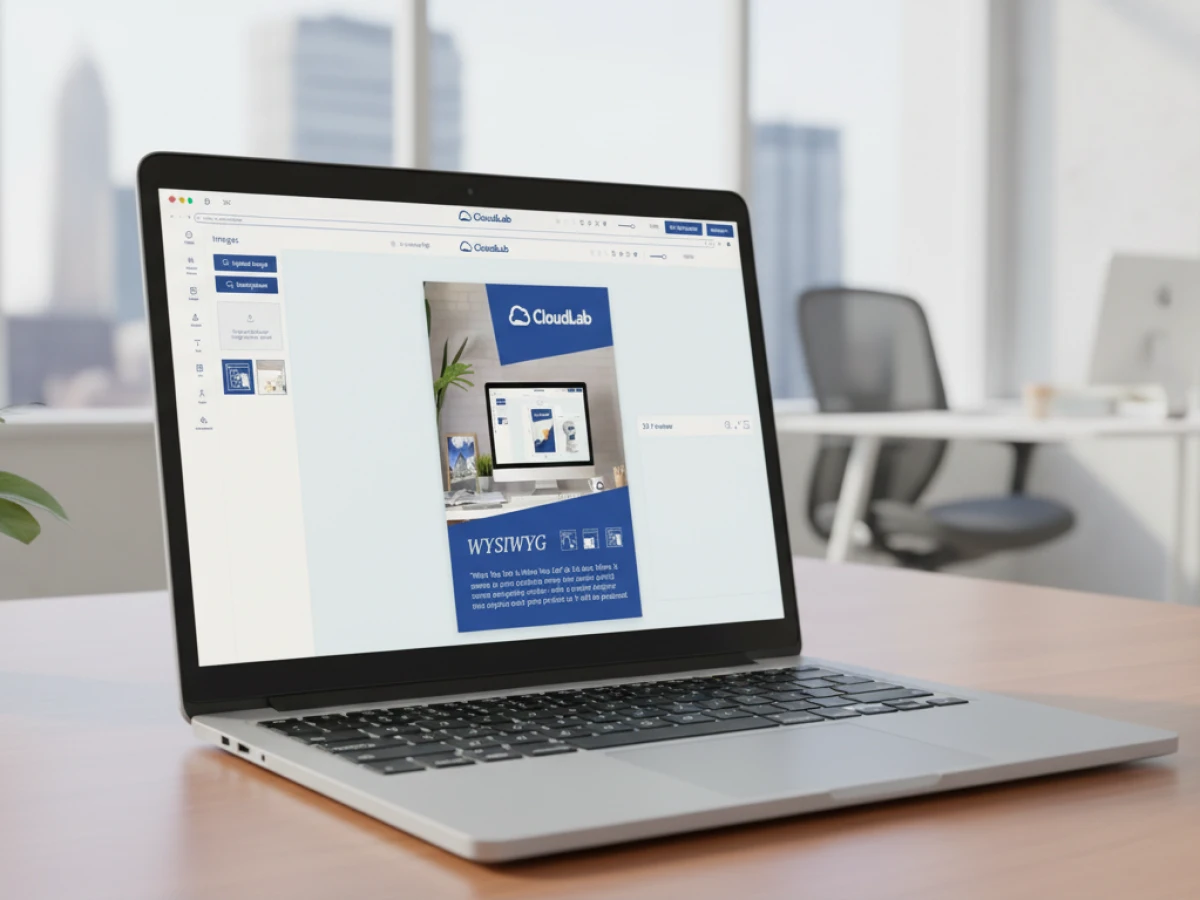
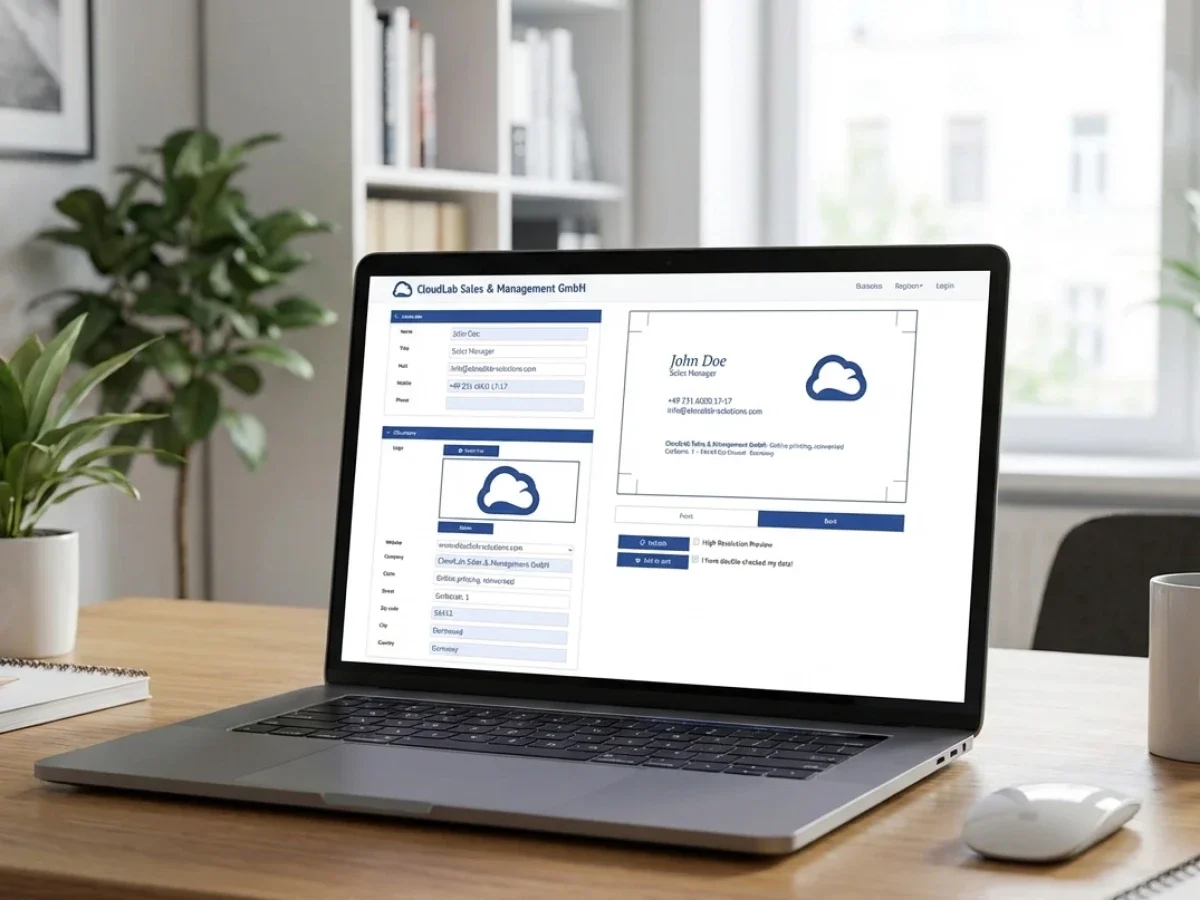
printQ provides an intuitive WYSIWYG editor that allows users to personalize products directly in their browser. Customers can modify text, upload images, and adjust layouts while seeing the results instantly.
The system also supports 2D and 3D previews that show how the final product will appear once printed.
This interactive design environment reduces uncertainty and improves customer confidence.
When customers clearly see the result of their design, they are more likely to complete the purchase.
B2B Portals Within Web to Print Storefronts
While B2C print commerce is important, many printers rely heavily on B2B clients.
Corporate customers often require controlled ordering environments where employees can order branded materials while maintaining design consistency.
printQ supports this through secure portals integrated into its web to print storefronts.
Closed shops restrict access to authorized users within an organization. These portals contain predefined templates and product catalogs that comply with corporate brand guidelines.
Employees can personalize specific fields such as contact details or regional messaging while preserving the approved design structure.
This approach ensures consistent branding while simplifying procurement for large organizations.
It also reduces the workload for marketing teams that would otherwise manage print requests manually.
The Online Editor: The Heart of the Web to Print Store Front
One of the most important components of a modern web to print store front is the online design editor.
Customers must be able to personalize products easily while ensuring the final design meets production requirements.
printQ includes a powerful browser based design environment that allows users to edit layouts directly within the storefront.
The editor supports a wide range of design operations.
Users can adjust text, upload images, and place graphical elements within predefined design areas. Real time previews show how each change affects the layout.
Additional features such as vectorization and finishing effect simulation allow customers to visualize advanced print details.
These tools enable customers to create professional designs without relying on external design software.
Template Galleries and Mass Customization
Mass customization has become one of the most valuable features of modern web to print platforms.
Rather than designing every product individually, customers can start from structured templates that guide the design process.
printQ provides a comprehensive Template Gallery that allows printers to offer ready to customize layouts.
These templates help customers create designs quickly while maintaining brand consistency.
Template driven design is especially useful for businesses ordering marketing materials in large quantities.
The system also supports Variable Data Printing.
This capability allows large batches of printed items to contain unique information such as names, addresses, or promotional codes.
By combining templates with dynamic data fields, printers can produce highly personalized materials efficiently.
Mobile Integration and QR Based Upload
Customers increasingly rely on mobile devices to access digital services.
Modern web to print storefronts must therefore support mobile friendly workflows.
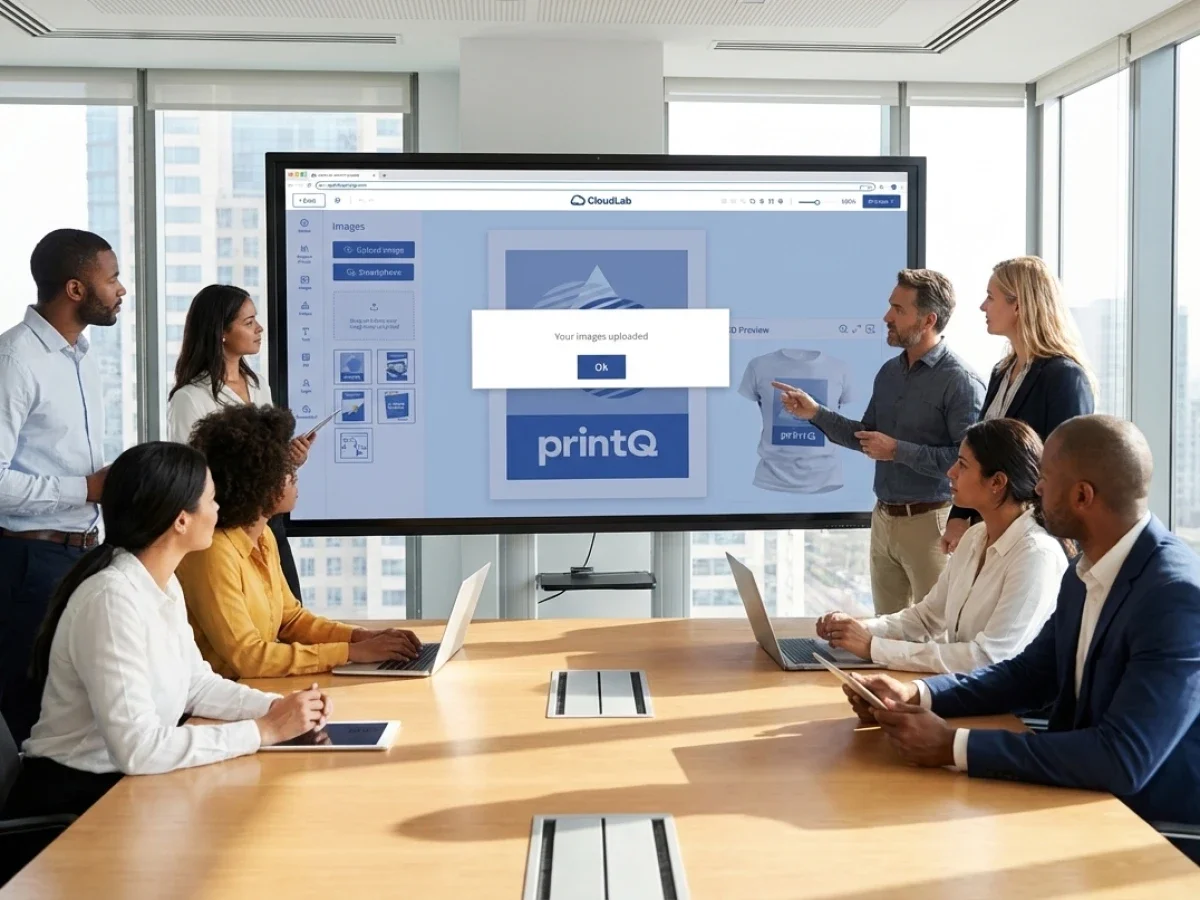
printQ enables mobile content uploads through QR code integration.
Customers working on a desktop storefront can scan a QR code with their smartphone and upload images directly from their mobile device.
This feature simplifies the process of adding photos or graphics to personalized print products.
Once uploaded, the images appear immediately within the design preview.
This seamless workflow improves usability and reduces the friction that often occurs when transferring files between devices.
Automation in the Print Production Workflow
Automation is a critical factor in the success of any web to print store front.
Without automated production workflows, the benefits of online ordering would be limited.
printQ connects storefront activity directly with the print production workflow.
When a customer submits an order, the system automatically analyzes the design using integrated preflight tools. The platform verifies technical parameters such as image resolution, color profiles, and layout alignment.
If the design meets production requirements, printQ generates a production ready PDF.
This file can move directly into the printing process.
Such automation reduces manual intervention and ensures consistent output quality.
It also allows print providers to process large volumes of orders efficiently.
Integration with Enterprise Systems
Modern print operations rely on multiple software systems to manage business processes.
A Web to Print platform must integrate with these systems to create a seamless workflow.
printQ supports extensive integrations through APIs and data exchange formats.
The platform connects with ERP systems, management information systems, logistics tools, and other enterprise software through REST and SOAP web services.
Additional data formats such as XML, JDF, CSV, and JSON provide further flexibility.
These integrations allow order data, production information, and shipping details to move automatically between systems.
For print businesses, this connectivity improves operational efficiency and reduces administrative work.
Scaling Web to Print Storefronts Across Multiple Clients
Many print providers serve multiple customers with different requirements.
A single company may operate several branded storefronts for different markets or clients.
printQ supports this scenario through its multi client architecture.
A single installation can manage numerous web to print storefronts simultaneously.
Each storefront can have its own product catalog, pricing rules, and user permissions.
This architecture allows printers to scale their digital operations without deploying separate systems for each client.
Agencies can also use this capability to create white label storefronts for their customers.
Real World Applications of Web to Print Technology
Several print providers have successfully adopted web to print technology to expand their digital capabilities.
SAXOPRINT, one of Europe’s largest online print companies, uses advanced Web to Print technology to manage large product catalogs and high order volumes.
Druckhäusle in Germany launched its own online storefront to expand into digital print commerce. The platform allowed customers to configure and order print products online while reducing manual processing.
Velocity Graphics in the United States implemented a B2B portal that allowed franchise locations to customize and order marketing materials through a digital platform.
These examples demonstrate how powerful web to print storefronts can become when integrated with automated production workflows.
The Future of Web to Print Storefronts
Digital commerce continues to reshape the printing industry.
Future web to print systems will likely incorporate even more advanced capabilities.
Artificial intelligence may assist users during the design process by suggesting layout improvements or detecting potential design issues.
Advanced visualization technologies could allow customers to interact with realistic product simulations before ordering.
Cloud infrastructure will continue to improve system scalability and performance.
Platforms like printQ are well positioned to support these developments because of their flexible architecture and strong integration capabilities.
Why the Web to Print Store Front Is Central to Digital Print Commerce
The evolution of digital commerce has made the web to print store front an essential tool for modern printing businesses.
By combining ecommerce functionality, design tools, automation, and system integrations, web to print platforms allow printers to deliver customizable print products through efficient digital workflows.
printQ brings these capabilities together in a unified platform.
Built on Adobe Magento and Adobe Commerce, printQ supports scalable web to print storefronts, advanced design editing, and automated production workflows.
For printers, agencies, and enterprises seeking to modernize their operations, printQ provides a powerful solution for building and managing a successful web to print store front.
A web to print store front enables print providers to sell customized products online through automated workflows and interactive design tools. Platforms like CloudLabs printQ combine ecommerce infrastructure, personalization features, and integrated production automation within one scalable system. With support for B2C shops, B2B portals, and multi client web to print storefronts, printQ helps printers expand their digital sales channels while maintaining efficient print production workflows.