Web to Print Solutions Comparison Guide
A structured web to print solutions comparison must evaluate integration depth, industry flexibility, automation, and scalability. The best web to print solution is not defined by features alone, but by how well it connects storefront, production, and MIS systems. printQ stands out through Adobe Commerce integration, API first architecture, and support for packaging, textile, and large format printing. This guide explains what printers should truly compare before making a strategic decision.
Web to Print Solutions Comparison for Packaging, Textile, and Large Format Printing
A structured web to print solutions comparison must go far beyond feature checklists. Packaging converters, textile printers, and large format specialists operate under completely different production constraints. A platform that works for business cards will not automatically support die cut packaging, garment size matrices, or oversized display graphics.
When printers evaluate systems, they must examine how storefront logic connects to production reality. Integration depth, configurator intelligence, automation level, and scalability define long term success. The best web to print solution is the one that fits operational complexity, not marketing promises.
printQ provides a reference point for what modern web to print software should deliver across industries.
What Makes a Web to Print Solutions Comparison Meaningful
Most comparisons focus on user interface design or template libraries. While these elements matter, they do not determine operational performance.
A meaningful web to print solutions comparison should evaluate:
- Industry specific product logic and configurator flexibility
- Integration with MIS and ERP systems
- Automation from order entry to press ready output
If a system cannot translate online configuration into structured production data, it remains a sales interface rather than an operational backbone.
Understanding the Best Web to Print Solution in Context
The term best web to print solution is often used generically. In practice, the definition depends on production environment, order volume, and business model.
For printers, the decisive criteria include:
Integration capability: Can the platform connect directly to existing MIS systems without manual data transfer?
Automation depth: Are preflight checks and production file generation automated?
Scalability: Can the system manage multiple storefronts and high transaction volumes without performance degradation?
printQ addresses each of these dimensions through a unified architecture.
printQ as a Premium Benchmark
printQ is the only web to print solution built natively on Adobe Commerce. This is not a cosmetic distinction. It provides enterprise grade e commerce functionality combined with production specific automation.
Customer accounts, advanced pricing rules, tax logic, shipping modules, and payment integrations are part of the core. At the same time, structured APIs ensure seamless backend connectivity.
In any web to print solutions comparison, this combination of commerce maturity and production integration sets printQ apart.
Packaging Printing: Structural Precision and 3D Visualization
Packaging production requires more than flat layout editing. Die lines, fold geometry, and finishing zones must align precisely.
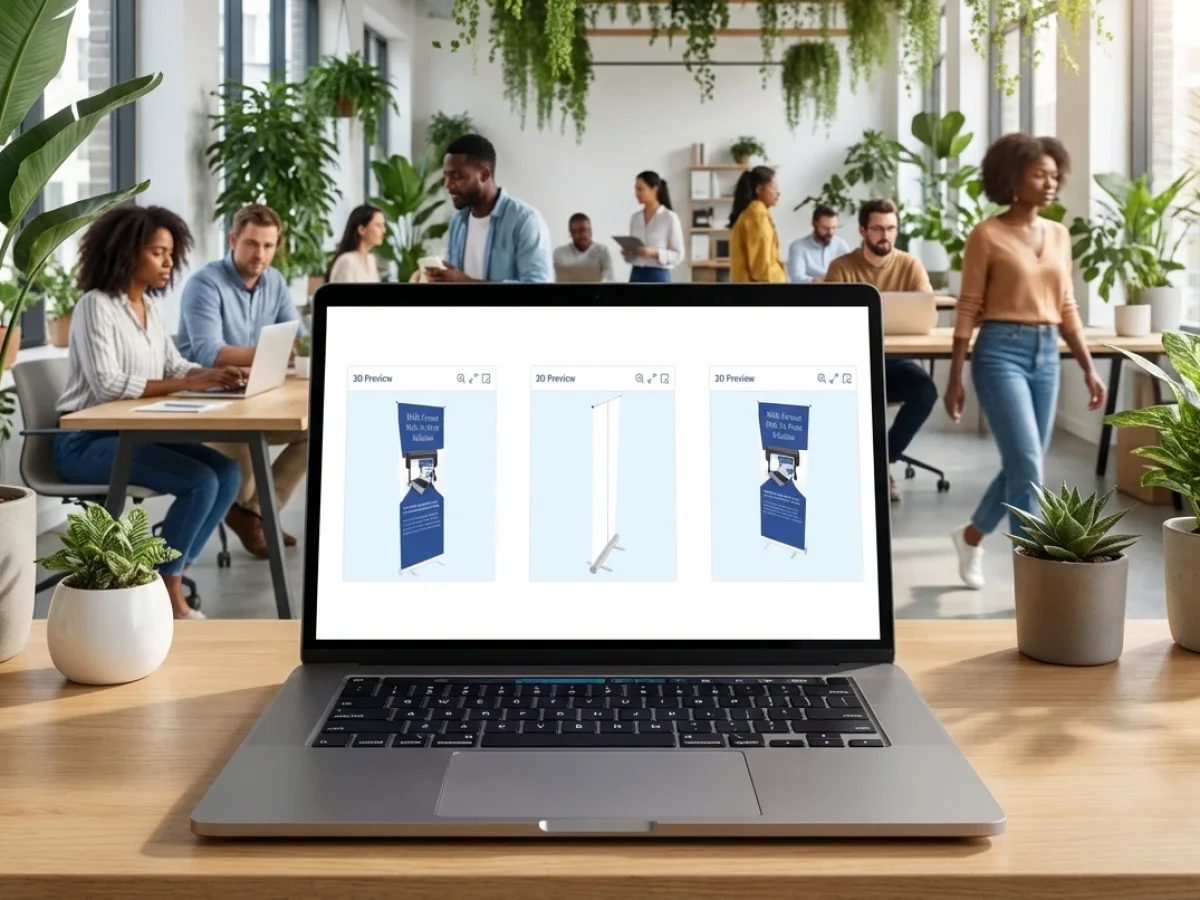
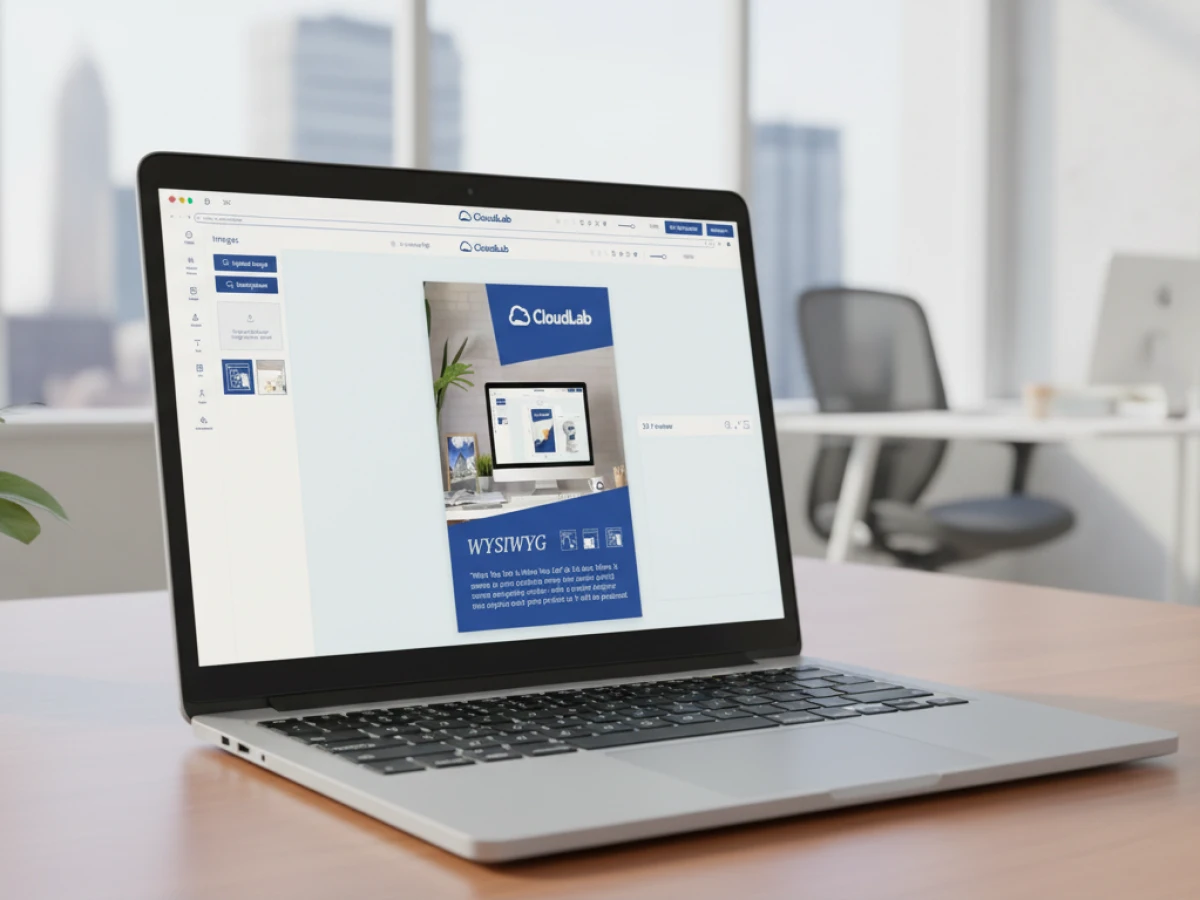
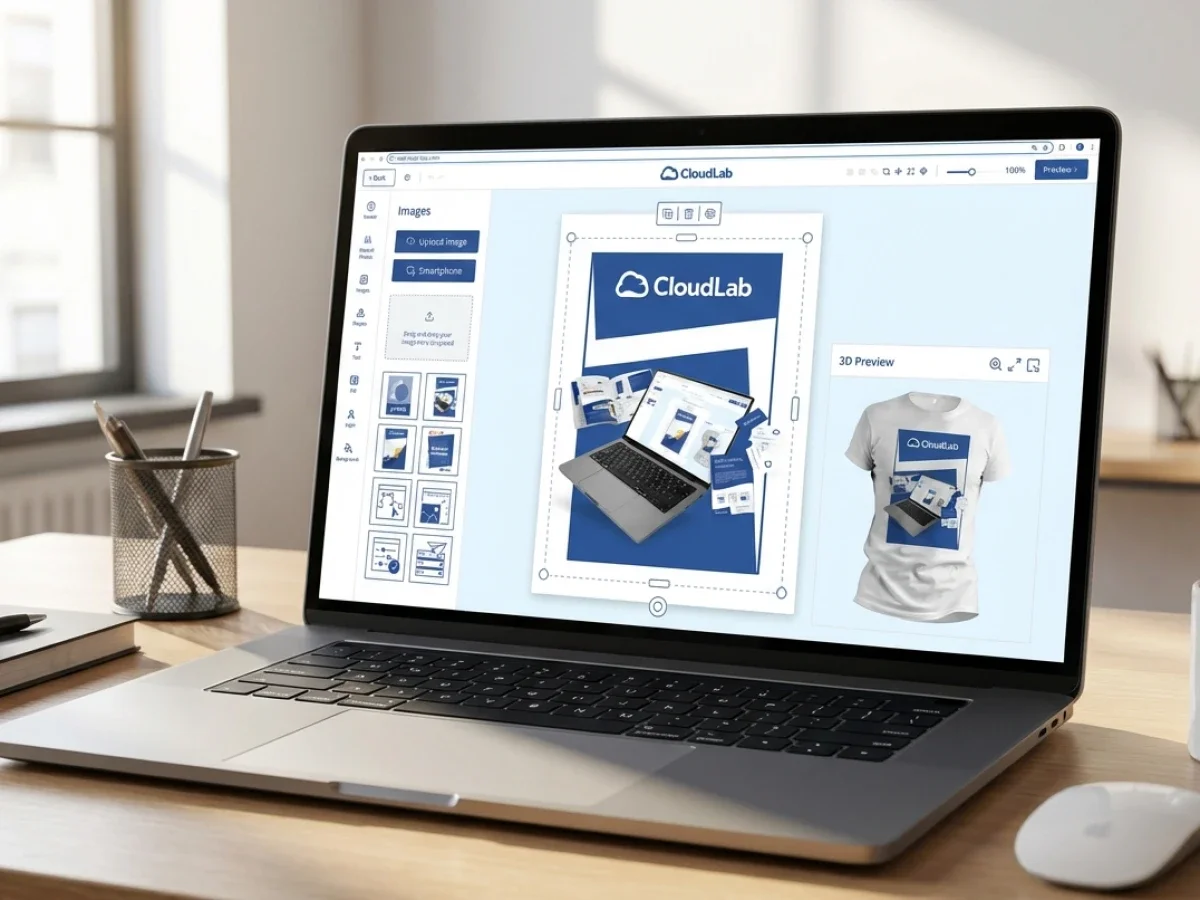
printQ integrates a browser based WYSIWYG editor with real time 2D and 3D previews. Customers visualize structural packaging elements before submission.
Automatic vectorization and finishing simulation support accurate configuration. Data can be transferred in formats such as XML or JDF to production systems, ensuring machine ready instructions.
In packaging, configurator precision directly impacts waste reduction and production efficiency.
Textile Printing: Size Matrices and Personalization at Scale
Textile printing introduces variable size logic and color combinations. Team wear, promotional apparel, and merchandise campaigns demand structured personalization.
printQ supports dynamic product configuration that handles size grids and color variants without manual recalculation. Variable Data Printing enables large scale customization while maintaining template consistency.
The template gallery allows printers to provide approved garment layouts. Customers personalize within predefined areas, preserving production standards.
In a web to print solutions comparison for textile printers, the ability to combine personalization with backend stability becomes a decisive factor.
Large Format Printing: Performance and File Stability
Large format printing involves heavy data files and precise scaling requirements. Banner systems, exhibition graphics, and billboards require stable rendering.
printQ handles complex, high resolution files while maintaining responsive performance in the editor. Live previews help validate positioning and scaling before submission.
Automated generation of production ready PDFs reduces prepress intervention. In large format environments, reliability under high file loads distinguishes serious platforms from lightweight tools.
Unified B2B and B2C Architecture
Many printers operate both retail and corporate channels. Maintaining separate systems increases cost and complexity.
printQ enables open B2C storefronts and closed B2B portals within a single installation. Corporate clients receive role based permissions, approval workflows, and CI controlled templates. Retail customers benefit from intuitive configuration and seamless checkout.
Centralized management reduces administrative overhead and ensures consistent production logic across business models.
Easy to Use Print Shop Experience Without Simplification
An easy to use print shop must not compromise backend depth. Usability influences order accuracy and customer satisfaction.
printQ offers a clean WYSIWYG interface with real time previews and finishing visualization. Customers interact with intuitive controls.
Behind the scenes, the system captures structured production parameters including materials, formats, and finishing options. MIS systems receive consistent and validated data.
Ease of use should simplify the customer journey while preserving technical precision.
MIS Integration as Core Evaluation Criterion
A platform that cannot integrate with existing MIS systems creates inefficiency. Manual job ticket entry increases errors and delays.
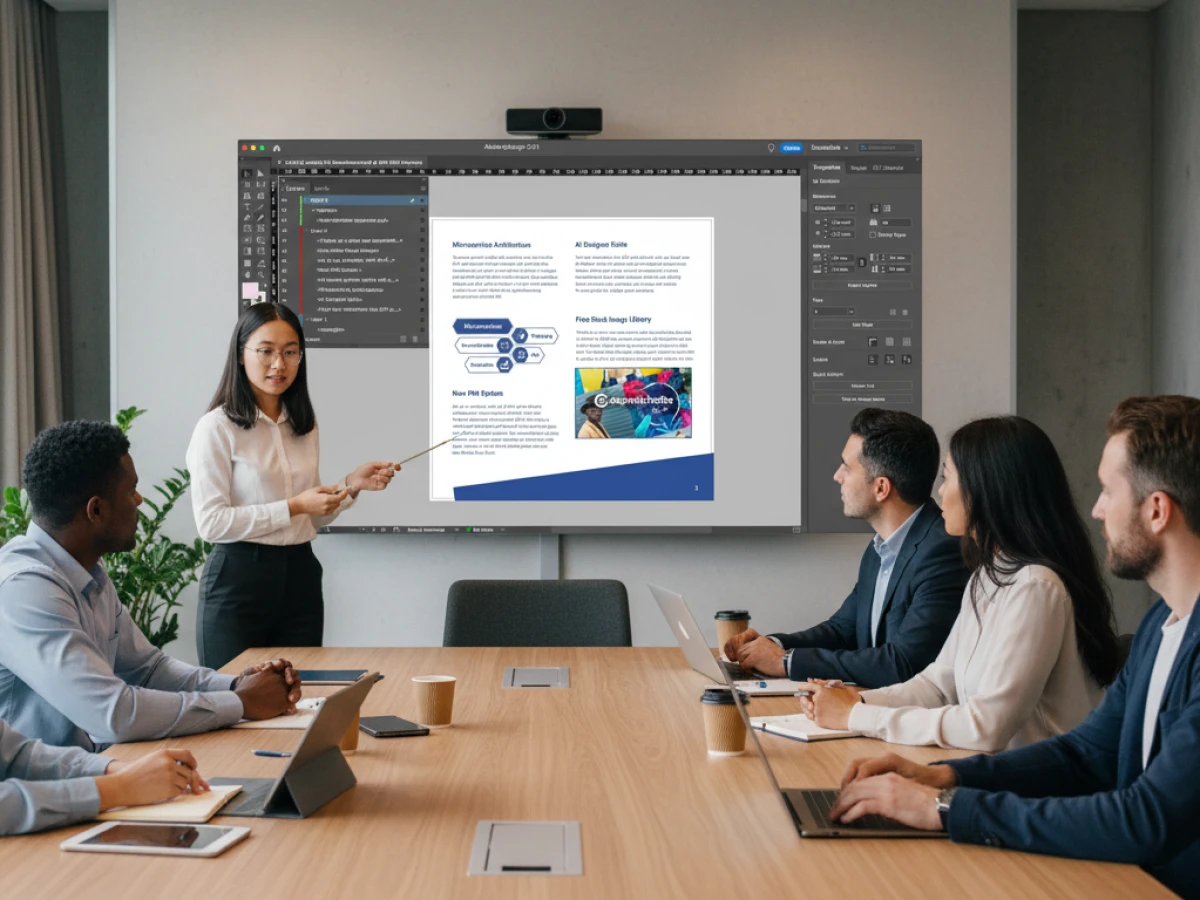
printQ supports REST and SOAP APIs, along with structured data formats such as JSON, XML, CSV, and JDF. Orders placed online can automatically generate job tickets in the MIS.
Status updates synchronize between systems, ensuring transparency across departments. In a web to print solutions comparison, integration depth often defines long term ROI.
End to End Automation
Automation determines scalability. Manual prepress checks limit growth.
printQ integrates automated preflight validation for resolution, bleed, and color profiles. Production ready PDFs are generated instantly after order confirmation.
Routine jobs can proceed directly to production without human intervention. This lights out capability reduces turnaround time and minimizes operational errors.
Automation transforms web to print from a sales channel into a production engine.
SaaS and On Premise Flexibility
Infrastructure strategy varies between organizations.
printQ can be deployed as SaaS in the cloud or installed on premise. Both options provide identical functionality.
Cloud deployment supports fast rollout and managed infrastructure. On premise installation offers full control over hosting and compliance.
Flexibility ensures that technology aligns with corporate IT strategy.

Multi Client Scalability
Growth often requires managing multiple brands, regional storefronts, or white label portals.
printQ supports multi client architecture within one installation. Shared backend logic avoids redundant infrastructure.
Agencies operate multiple customer shops centrally. Print groups maintain regional portals with consistent workflows.
With more than 1000 live portals globally, printQ demonstrates proven scalability.
Case Insight: SAXOPRINT
SAXOPRINT manages high volumes and complex product portfolios. Such operations require stable integration between storefront and production systems.
printQ supports intricate configuration logic while maintaining performance stability. Enterprise level deployment confirms its reliability under demanding conditions.
Case Insight: Druckhäusle
Druckhäusle transitioned into online commerce with printQ.
The decision focused on Magento integration and automation depth. Online orders flow directly into production workflows.
Manual coordination decreased significantly. Operational efficiency improved within months of implementation.
Case Insight: Velocity Graphics
Velocity Graphics implemented a closed B2B portal for a nationwide restaurant chain.
Localized menu customization required strict template control and backend integration. printQ enabled structured personalization without sacrificing brand consistency.
Integration ensured accurate scheduling and production feasibility.
Strategic Selection Criteria
When conducting a web to print solutions comparison, printers should prioritize structural factors over surface features.
Long term viability depends on open architecture, integration capability, automation depth, and scalability.
The best web to print solution is not defined by visual design alone. It is defined by its ability to connect commerce, configuration, and production into one coherent ecosystem.
printQ aligns with these criteria through Adobe Commerce integration, API first architecture, and end to end automation.
Web to Print Solutions Comparison Leads to Better Decisions
A comprehensive web to print solutions comparison must evaluate integration depth, automation strength, and industry adaptability across packaging, textile, and large format printing. Surface level feature lists do not reveal operational suitability.
CloudLabs printQ combines Adobe Commerce integration, open APIs, automated preflight, scalable multi client architecture, and unified B2B and B2C functionality in one system. For printers seeking the best web to print solution, integration precision and long term scalability determine success. printQ delivers both as a premium platform built for sustainable growth.
A serious web to print solutions comparison goes beyond storefront features. Packaging, textile, and large format printers need deep MIS integration, powerful configurators, and scalable automation. printQ unites Adobe Commerce, API first connectivity, automated preflight, and multi client architecture in one platform. With over 1000 live portals worldwide, it proves reliability across industries. For printers choosing the best web to print solution, integration depth and scalability are decisive.