Web to Print B2B: Scalable Print Commerce with printQ
Web to print b2b platforms help printers, agencies, and enterprises automate ordering, personalization, and production workflows. Modern systems combine storefronts, online editors, and automated prepress to streamline print procurement. Solutions like printQ enable scalable B2B portals, custom web to print experiences, and deep integration with enterprise systems. The result is faster ordering, consistent branding, and highly automated production.
Web to Print B2B: The Digital Backbone of Modern Print Commerce
Digital transformation has reshaped almost every industry, and the printing sector is no exception. Businesses expect the same seamless ordering experience for print products that they receive from modern e commerce platforms. This expectation has fueled the rapid adoption of web to print b2b platforms across the global print industry.
A web to print system enables customers to configure, personalize, and order print products directly through an online interface. Instead of manual emails, phone calls, and offline proofs, the entire workflow becomes digital and automated. From design customization to order submission and production preparation, the process becomes faster, more consistent, and scalable.
For printers, agencies, and large organizations, this shift is not simply about convenience. It is about efficiency, profitability, and the ability to serve distributed teams and corporate clients without operational bottlenecks.
Modern platforms such as printQ represent a new generation of web to print software for printers. Built on Adobe Commerce technology, printQ connects online storefronts, design tools, and automated production workflows into a unified ecosystem.
The result is a powerful infrastructure that supports both B2C online print shops and complex B2B procurement portals.
Why Web to Print B2B Is Transforming the Printing Industry
The traditional print ordering process is often fragmented. Clients send files by email. Designers prepare layouts manually. Print operators perform file checks and corrections. Communication loops slow down production.
This approach works for small volumes, but it quickly becomes inefficient as order volumes increase.
A web to print b2b platform replaces this manual process with structured digital workflows.
Orders move directly from the storefront into automated production pipelines. Templates ensure design consistency. Preflight checks validate files before printing.
This transformation delivers several operational advantages.
Faster order processing:
Customers configure and submit orders online, eliminating lengthy email exchanges.
Reduced manual intervention:
Automated file generation and validation remove repetitive prepress tasks.
Improved brand consistency:
Template driven ordering ensures that corporate designs remain compliant.
Scalable order management:
Printers can handle higher order volumes without increasing staff.
Solutions such as printQ combine these capabilities with a fully integrated ecommerce infrastructure. The platform leverages Adobe Commerce to provide advanced features such as customer accounts, payment processing, order management, and promotional tools.
This integration enables printers to operate sophisticated online storefronts while maintaining full control over production workflows.
The Core Components of a Web to Print B2B Platform
To understand the value of web to print technology, it helps to examine the key components that make up a modern system.
B2B Storefronts and Customer Portals
At the front end of a web to print platform is the storefront. This is the interface where customers browse products, customize designs, and place orders.
In web to print b2b environments, storefronts often take the form of dedicated customer portals.
These portals allow companies to manage their own branded print materials. Employees can log in, choose approved templates, customize local information, and order printed products.
With printQ, these portals can operate as either open storefronts or closed shops.
Open storefronts allow public customers to order standard print products. Closed shops restrict access to authorized users, typically corporate clients, franchise partners, or internal departments.
Closed B2B portals are especially valuable for organizations with decentralized teams.
Marketing departments can define approved templates, product catalogs, and brand guidelines. Local teams can personalize materials within these predefined boundaries.
This approach preserves brand consistency while allowing local customization.
Online Editors and Visual Product Configuration
A critical component of any custom web to print platform is the online editor.
The editor enables users to personalize print products directly in the browser.
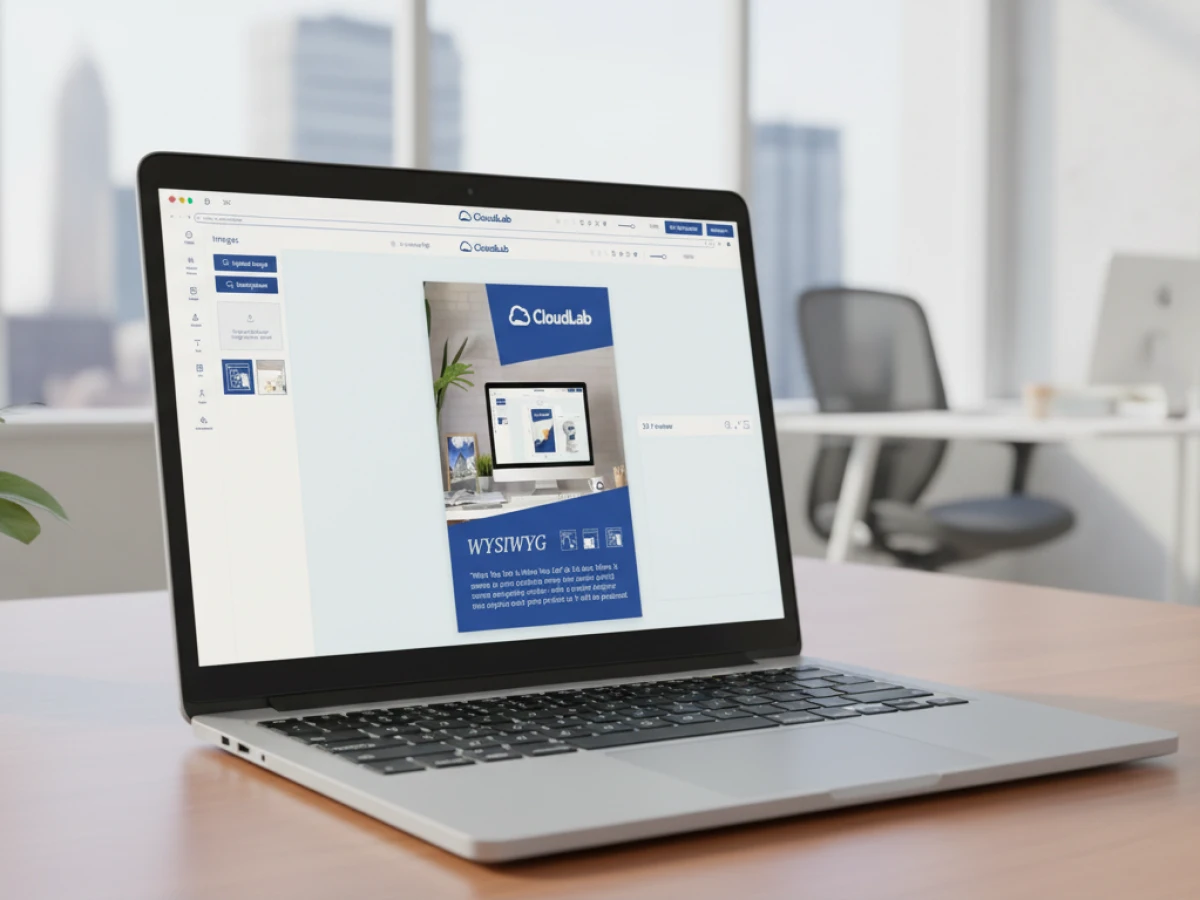
printQ provides a powerful WYSIWYG design environment that allows users to edit text, images, colors, and layout elements in real time. Customers immediately see the results of their changes through live previews.
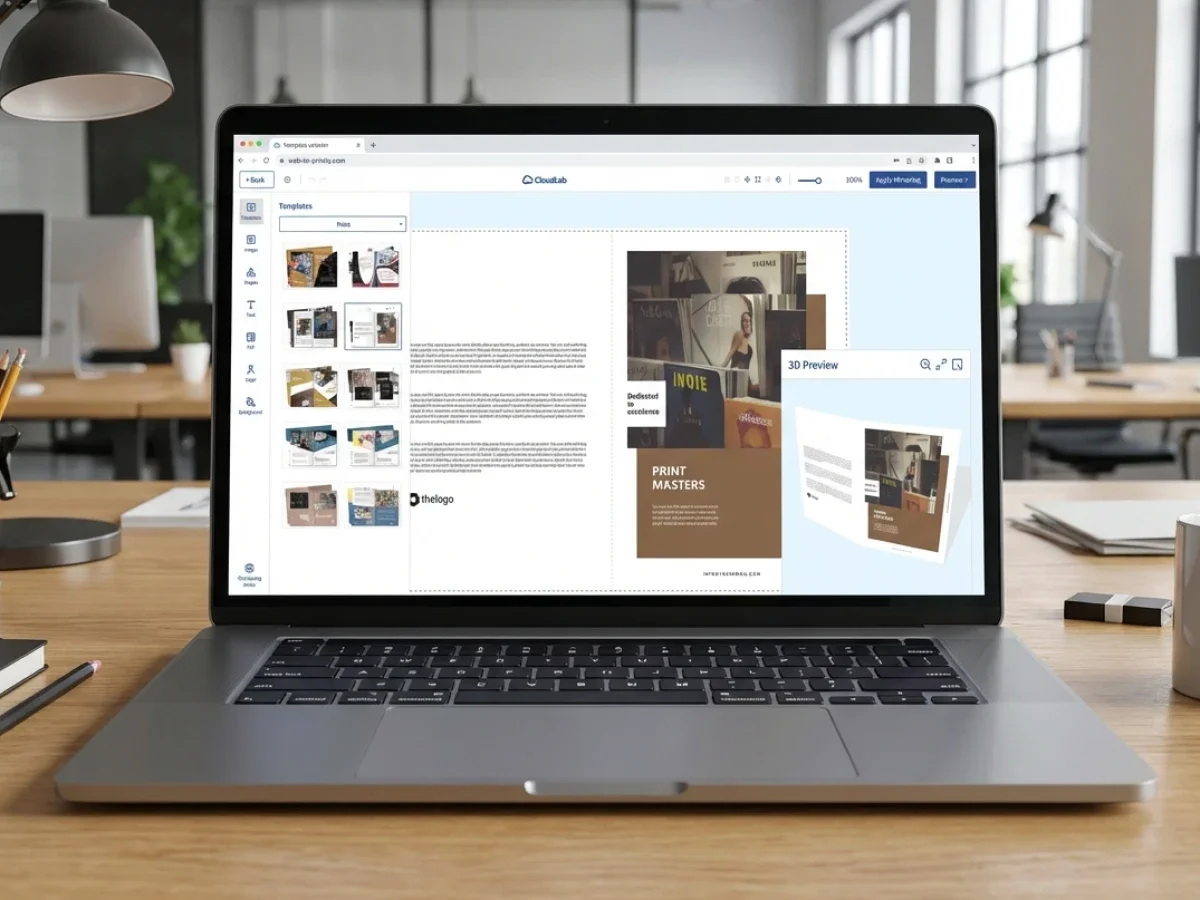
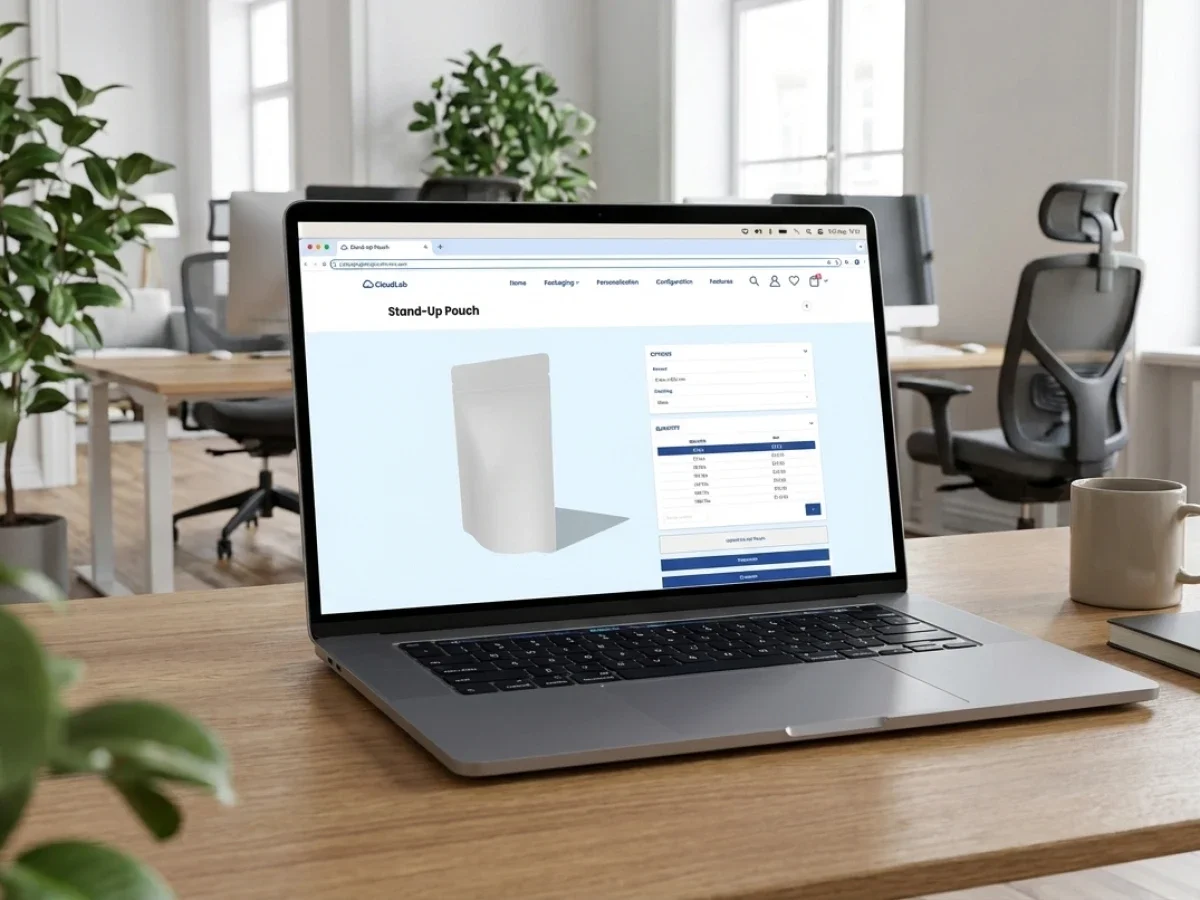
The system also supports 2D and 3D product previews. This is particularly valuable for complex products such as packaging, promotional materials, or large format prints.
Additional features include vectorization and visual representation of finishing effects. Embossing, varnish, and other embellishments can be simulated within the design preview.
This interactive design experience simplifies the ordering process for customers while reducing design workload for printers.
Template Libraries and Variable Data Printing
Mass personalization is one of the defining features of modern web to print technology.
Template galleries allow printers and organizations to create reusable design layouts for frequently ordered products. Customers select a template and customize only specific fields.
This dramatically accelerates the ordering process.
Variable Data Printing adds another layer of flexibility.
Instead of producing identical prints, the system can generate large batches of personalized items. Names, addresses, images, and other content can change dynamically within the same print run.
Examples include personalized direct mail campaigns, employee badges, and location specific marketing materials.
printQ integrates template libraries and VDP functionality directly into its platform. This enables printers to offer scalable personalization without manual design work.
Mobile Content Upload and Asset Integration
Modern users expect seamless workflows across devices.
printQ supports mobile uploads through QR code based connections between desktop and smartphone devices. Customers working on a desktop storefront can instantly upload photos from their phones into the design editor.
Beyond mobile integration, web to print platforms also connect with existing design assets and workflows.
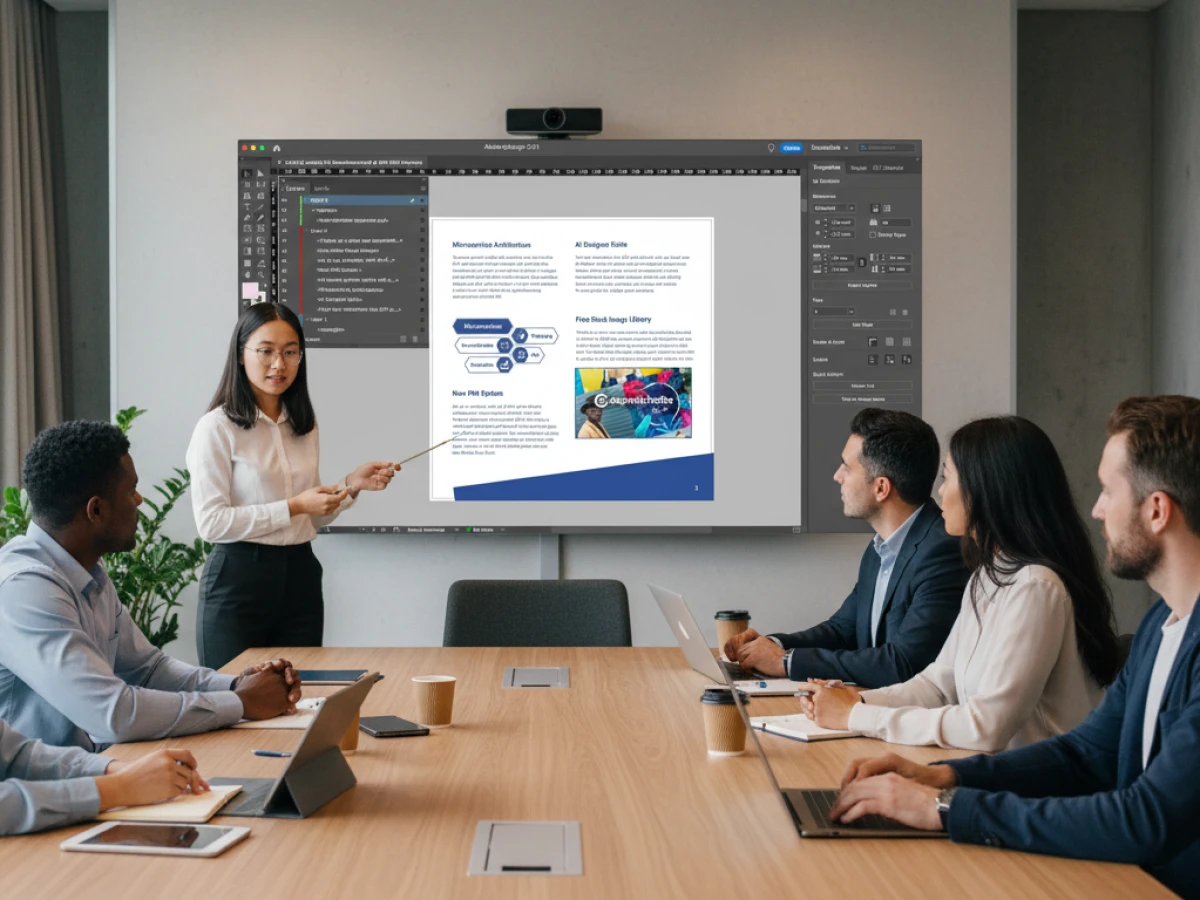
For example, templates created in Adobe InDesign can be imported into the system and transformed into editable online templates.
This integration ensures that existing design resources remain usable within the digital ordering ecosystem.
Automation and Production Efficiency
One of the most powerful aspects of web to print b2b technology is workflow automation.
Once an order is placed through the storefront, the system automatically generates production ready files. These files include the correct color profiles, bleed settings, and layout specifications required for printing.
Preflight technology analyzes the files and detects potential issues before production begins.
If a problem is detected, the system can either correct it automatically or notify the user.
printQ integrates these capabilities into fully automated production workflows.
Routine orders move directly from the storefront to production with minimal manual intervention. Print ready PDF files are generated automatically, allowing operators to focus on more complex tasks.
This automation model is often described as lights out production.
Orders flow through the system without manual touchpoints, significantly reducing processing time and operational costs.
Integration with Business Systems
Large scale print operations rarely operate in isolation.
Printers rely on a variety of enterprise systems, including ERP platforms, management information systems, accounting software, and logistics tools.
A modern web to print b2b platform must integrate seamlessly with these systems.
printQ is designed with an API first architecture that supports extensive system integration.
The platform supports multiple integration standards including REST, SOAP, XML, JDF, CSV, and JSON.
This flexibility allows printQ to connect with ERP systems, production workflows, shipping providers, and external ecommerce platforms.
For example, printers can integrate their web to print storefront with warehouse management systems, enabling automated inventory tracking and fulfillment.
Orders placed through the storefront can automatically generate production tickets in the MIS system.
These integrations create a unified digital workflow across the entire print business.
Adobe Commerce as the Foundation for Web to Print
A unique characteristic of printQ is its technological foundation.
Unlike many web to print platforms that rely on proprietary shop systems, printQ is built on Adobe Commerce, formerly known as Magento.
This architecture provides several advantages.
First, Adobe Commerce is one of the most powerful ecommerce platforms in the world. It offers advanced features for product configuration, customer management, promotions, payments, and logistics.
Second, the ecosystem surrounding Adobe Commerce is enormous.
Thousands of extensions and integrations are available, allowing printers to expand their storefront capabilities with minimal development effort.
Third, the platform supports extensive customization.
Printers can adapt storefront design, functionality, and workflows to match their specific business models.
Because of this foundation, printQ combines enterprise ecommerce capabilities with advanced web to print functionality.
Few web to print software for printers provide this level of integration.
Use Cases for Web to Print B2B
The flexibility of web to print technology makes it relevant for a wide range of organizations.
Print Service Providers
For commercial printers, web to print b2b platforms open new revenue streams.
Online storefronts allow printers to offer standardized products to a broader customer base. Automated workflows reduce operational costs and improve turnaround times.
Repeat orders become significantly easier to manage because customers can reorder products directly from their account history.
Marketing Agencies
Agencies often manage print production on behalf of multiple corporate clients.
With printQ, agencies can create white label print portals for each client.
Each portal includes brand compliant templates, product catalogs, and ordering workflows.
Clients can order marketing materials independently while the agency maintains control over design standards and production.
Enterprises and Franchise Networks
Large organizations frequently struggle with decentralized print procurement.
Different departments or locations may order materials from various suppliers, leading to inconsistent branding and uncontrolled costs.
A centralized web to print b2b portal solves this problem.
Corporate marketing teams define approved templates and product catalogs. Local teams customize materials for their specific needs while remaining within brand guidelines.
This approach ensures consistency across hundreds of locations.
Real World Example: Scalable B2B Portals
A compelling example of this model can be seen in projects built with printQ.
Velocity Graphics, a print service provider in the United States, implemented a B2B portal for a nationwide restaurant chain.
The system allowed franchise locations to customize and order menu boards and promotional materials.
Templates ensured that the brand design remained consistent. Local managers could update prices, product images, and location specific information.
Once the design was finalized, the system automatically generated print ready files and forwarded them to production.
Over time, the portal expanded to include hundreds of additional products.
This example illustrates the scalability of modern web to print platforms.
The Strategic Advantages of Modern Web to Print Software for Printers
Adopting a web to print platform is not merely a technical upgrade. It is a strategic decision that shapes how a print business operates and grows.
Operational efficiency:
Automation reduces manual tasks and accelerates order processing.
Customer experience:
Online ordering platforms provide convenience and transparency.
Revenue scalability:
Printers can process larger volumes of orders without expanding their workforce.
Brand consistency:
Template driven ordering maintains design standards across distributed organizations.
Platforms such as printQ deliver these advantages while maintaining flexibility and customization.
Because the system can operate as both SaaS and on premise infrastructure, companies can choose the deployment model that best fits their operational requirements.
The Future of Web to Print B2B
The evolution of print commerce is far from complete.
New technologies are constantly reshaping how businesses interact with print services.
Artificial intelligence is beginning to influence template generation and design assistance. Automated layout suggestions and intelligent content placement are becoming increasingly common.
Integration with marketing automation platforms is also expanding.
Print campaigns can now connect with digital marketing workflows, enabling cross channel communication strategies.
Cloud based infrastructures continue to improve scalability and accessibility.
Platforms such as printQ are already incorporating many of these advancements, ensuring that printers can remain competitive in an increasingly digital marketplace.
Why Web to Print B2B Matters for the Future of Print
The shift toward web to print b2b platforms represents one of the most significant transformations in the modern printing industry.
By digitizing ordering, design, and production workflows, web to print technology eliminates inefficiencies and unlocks new business opportunities.
Printers gain scalable online storefronts. Agencies deliver branded portals for their clients. Enterprises centralize their print procurement processes.
Solutions like printQ demonstrate how powerful this approach can be.
With integrated ecommerce infrastructure, advanced design tools, automated production workflows, and open system integrations, printQ provides a comprehensive web to print software for printers.
For organizations seeking efficiency, scalability, and consistent brand management, the future clearly belongs to web to print b2b platforms.
So web to print b2b technology is transforming how companies order, manage, and produce print products. Instead of manual workflows, modern platforms enable automated ordering, online design customization, and seamless production integration. Solutions like printQ combine powerful ecommerce infrastructure with advanced custom web to print capabilities. The result is scalable B2B portals, streamlined production processes, and consistent brand management for printers, agencies, and enterprises alike.