Web to Pack Software for Scalable Packaging Printing

web to pack software enables packaging printers and brands to design, preview, and order customized packaging online. Modern platforms combine packaging configuration, printer preview visualization, and automated production workflows. printQ delivers these capabilities through a scalable Web to Print platform built on Adobe Commerce. The result is faster packaging design cycles, reliable print files, and efficient online ordering for both B2B and B2C customers.
Why Web to Pack Software Is Transforming the Packaging Industry
The packaging sector is undergoing a rapid digital transformation. Brands now launch products faster, product variants multiply quickly, and marketing teams require shorter turnaround times for packaging materials. These shifts are pushing packaging printers to rethink how packaging projects are ordered, designed, and produced.
This is where web to pack software plays an increasingly important role.
Traditional packaging workflows rely heavily on manual communication. Designers exchange files by email, customers review PDFs offline, and production teams adjust layouts repeatedly before printing begins. The process is slow, prone to misunderstandings, and difficult to scale.
Web to pack platforms digitize this workflow.
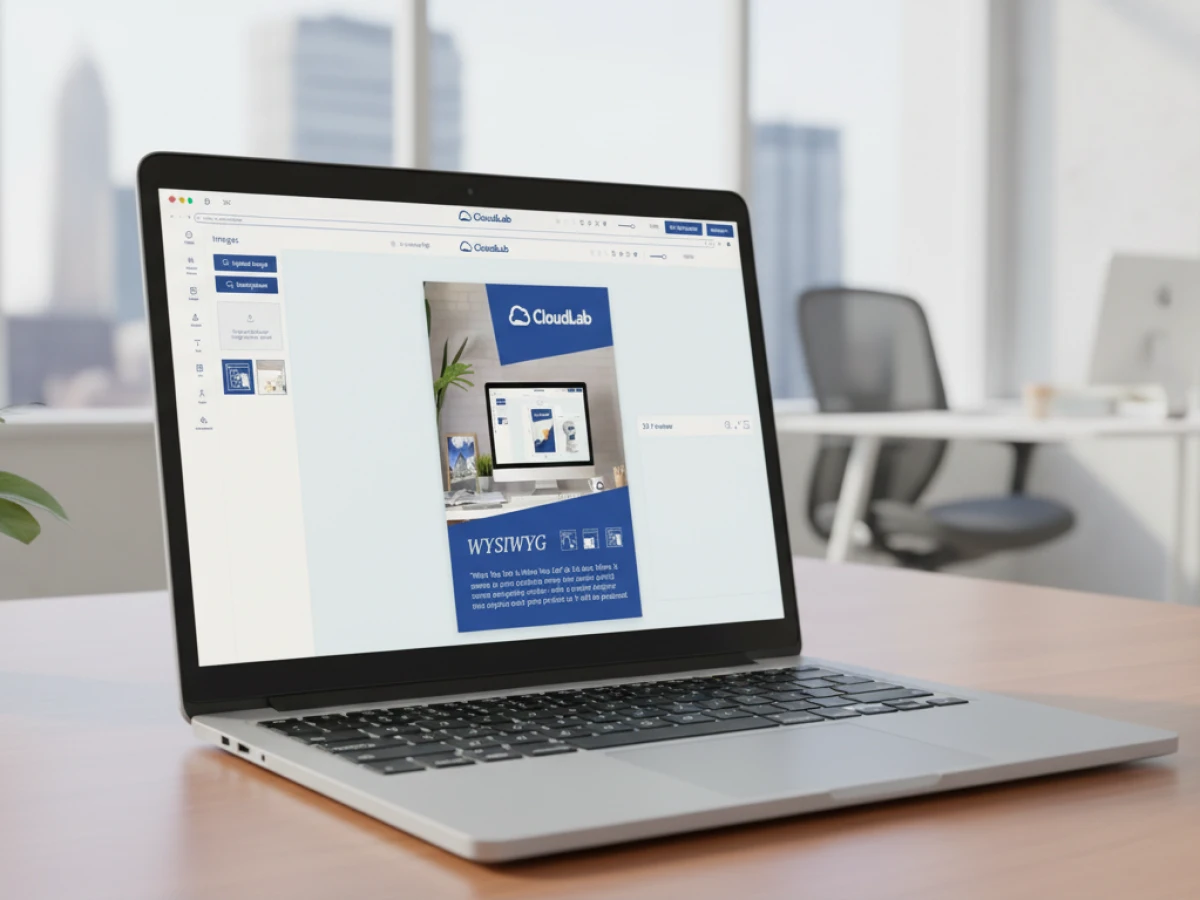
Customers configure packaging products through an online storefront, adjust artwork within predefined templates, preview the result in real time, and submit the order digitally. The system then generates production ready files automatically.
This approach reduces manual work, accelerates packaging development cycles, and enables packaging printers to serve more customers simultaneously.
printQ brings this model into a comprehensive platform environment. As a premium Web to Print solution built on Adobe Magento and Adobe Commerce, printQ combines ecommerce infrastructure, packaging visualization, automated workflows, and system integrations into a single platform.
For packaging printers and brands, this integration creates a much more efficient way to handle custom packaging orders.
What Makes Web to Pack Software Different from Traditional Web to Print
While Web to Print platforms handle many printed products, packaging introduces additional complexity.
Boxes, cartons, labels, flexible packaging, and promotional packaging often involve structural design, die lines, folds, and multiple surfaces. A standard print editor cannot handle these requirements effectively.
This is why web to pack software must extend beyond simple flat layouts.
Packaging systems must allow users to design across multiple panels, align graphics with structural templates, and visualize how the final package will appear when assembled.
A strong platform also integrates structural libraries and design constraints so customers cannot accidentally create unprintable layouts.
printQ supports these requirements through advanced visualization and product configuration capabilities. Customers can interact with packaging structures in both 2D and 3D environments while maintaining alignment with the underlying die lines.
This approach ensures that what customers see during design matches the production reality.
The Role of Printer Preview in Packaging Design
One of the most important components of packaging software is the printer preview.
Packaging is inherently three dimensional. Graphics must align across folds, edges, and surfaces. Even small misplacements can cause major visual issues once the package is assembled.
A reliable preview system helps prevent these problems.
The printer preview shows customers exactly how their packaging design will appear once printed and assembled. It visualizes folds, edges, and surfaces in a way that a flat PDF cannot communicate.
For brands ordering packaging online, this preview becomes a critical validation tool.
They can confirm whether logos align correctly across panels. They can evaluate whether images wrap properly around corners. They can check how product information appears once the package is folded.
printQ integrates this preview functionality directly into the design workflow.
Customers do not need to export files or generate static proofs. The preview updates automatically as they adjust the design.
This real time feedback improves design accuracy and reduces production errors.

From Packaging Concept to Production Ready Files
One of the major advantages of web to pack software is its ability to connect the design stage directly with production preparation.
In traditional packaging workflows, the design team produces artwork files that must then be adapted by the prepress department. Bleed areas are adjusted, technical marks are added, and files are prepared for printing.
These steps consume time and introduce opportunities for errors.
printQ automates many of these tasks.
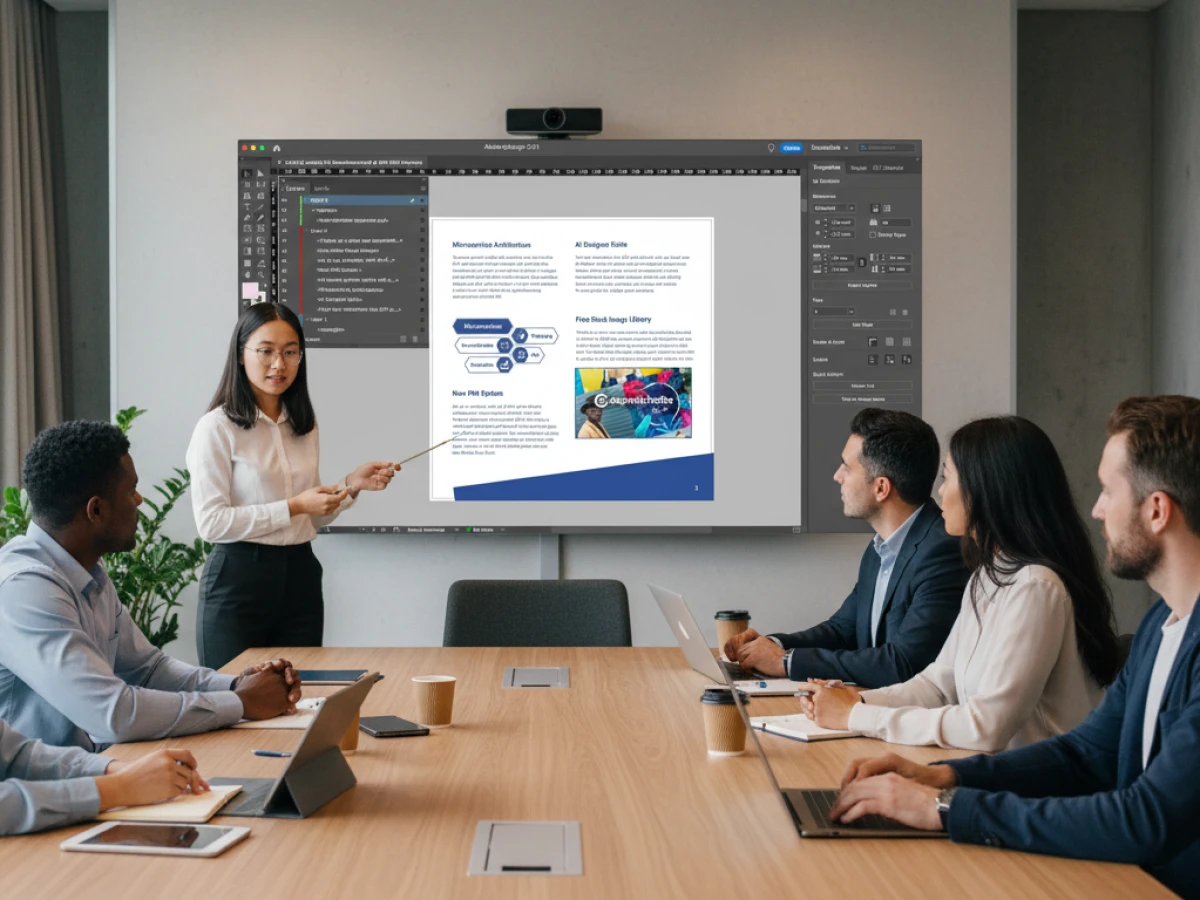
When a packaging order is completed in the storefront, the platform generates a production ready file based on the design configuration. Preflight checks verify technical parameters such as resolution, color profiles, and layout alignment.
If the design meets the required standards, the system produces a print ready PDF automatically.
This automated workflow reduces manual intervention and speeds up production.
Packaging printers can process more orders with fewer prepress adjustments, which improves overall efficiency.
Packaging Customization and Mass Personalization
Modern packaging is increasingly personalized.
Brands often create limited editions, regional variations, or promotional packaging designs that change frequently. Manual packaging workflows struggle to keep up with this demand.
This is where mass customization becomes valuable.
printQ supports personalized packaging through template driven design and Variable Data Printing capabilities. Packaging templates allow brands to maintain consistent structure while adjusting visual elements such as product names, marketing messages, or local regulatory information.
Variable Data Printing allows packaging runs to contain unique information for each unit.
For example, promotional campaigns may include individual codes, unique graphics, or personalized messages. The system generates these variations automatically without requiring separate design files.
This capability enables packaging printers to support innovative marketing campaigns without increasing design complexity.
Combining Packaging Design with Ecommerce Infrastructure
One of the unique aspects of printQ is its foundation on Adobe Commerce.
Many packaging design tools focus purely on visualization and production workflows. They lack ecommerce functionality, which limits their ability to support online ordering and customer self service.
printQ solves this challenge by combining web to pack software capabilities with a full ecommerce environment.
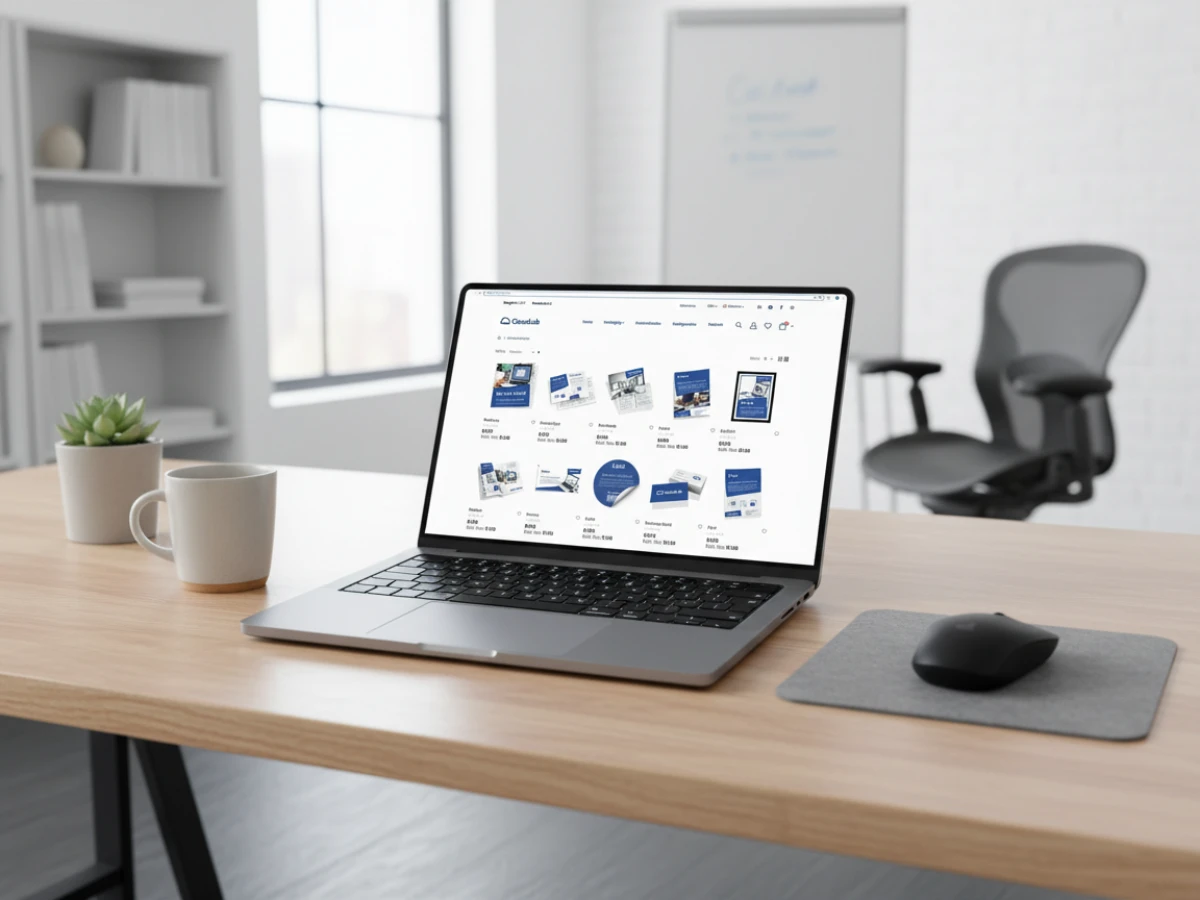
Customers can browse packaging products through an online storefront, configure specifications, upload designs, preview the result, and place orders directly.
The platform manages pricing, payment processing, shipping logic, and order management through its ecommerce layer.
This integration allows packaging printers to operate like modern digital commerce businesses.
Instead of relying on manual quotation processes, they can sell packaging products through scalable online channels.
B2B and B2C Packaging in One Platform
While packaging printing often focuses on B2B clients, there is growing interest in B2C packaging products as well.
Small businesses, startups, and ecommerce sellers frequently require customized packaging for their products. They may order small batches of branded boxes, labels, or promotional packaging materials.
printQ supports both B2B and B2C storefront models within the same platform.
Public storefronts allow smaller customers to configure packaging products directly. Closed portals provide corporate clients with controlled ordering environments.
In these closed environments, companies can access pre approved templates and packaging specifications. Employees can customize content within defined limits while maintaining brand consistency.
This flexibility allows packaging printers to serve a wide range of customer types without operating multiple software systems.
The Importance of Automation in Packaging Production
Automation is critical for packaging printers who want to scale their operations.
Packaging designs often involve complex technical requirements. Without automation, production teams must review each file manually.
printQ supports lights out workflows where routine jobs move from the storefront into production with minimal intervention.
The platform performs automatic file checks, generates production files, and integrates with external systems through APIs and data interfaces.
These integrations allow printQ to connect with ERP platforms, MIS systems, and manufacturing workflows.
Packaging printers can therefore integrate the storefront directly into their production infrastructure.
This reduces processing time and increases production reliability.
Open Integrations and API Connectivity
Modern printing environments rely on interconnected software ecosystems.
A packaging platform must integrate with external systems such as enterprise resource planning software, production management systems, and shipping platforms.
printQ provides extensive integration options through REST and SOAP web services as well as data exchange formats such as XML, JDF, CSV, and JSON.
These integrations allow packaging printers to connect their storefronts with existing operational tools.
Orders placed online can automatically generate production tickets, update inventory systems, and trigger logistics workflows.
This integration layer transforms the storefront into a central hub within the printing technology infrastructure.
Scaling Packaging Operations with Multi Client Portals
Packaging printers often work with multiple brands, agencies, and distributors. Each client may require its own packaging templates, pricing structure, and product catalog.
printQ supports this complexity through its multi client architecture.
A single installation can host numerous storefronts and client portals simultaneously.
Each portal can operate with unique design templates, branding rules, and user permissions.
This architecture allows packaging printers to manage multiple customers efficiently while maintaining centralized control over production workflows.
It also enables agencies to operate white label packaging portals for their clients.
Real World Use Cases for Web to Pack Software
Several print providers have already demonstrated how powerful web to pack technology can be.
Large online print companies have integrated packaging into their digital storefronts, allowing customers to design packaging materials online and order them directly.
Smaller packaging printers have also used digital storefronts to expand their customer base beyond traditional local markets.
Platforms like printQ make these models possible by combining advanced packaging design tools with scalable ecommerce infrastructure.
Customers gain access to intuitive design environments, accurate preview visualization, and automated ordering workflows.
Printers gain a more efficient production pipeline and access to new digital sales channels.
The Future of Web to Pack Platforms
Packaging technology continues to evolve as digital commerce grows.
Future web to pack platforms will likely include even more advanced visualization capabilities, including real time structural simulations and interactive product rendering.
Artificial intelligence may assist users during the design process by suggesting layout improvements or identifying potential production issues.
Cloud infrastructure will also continue to improve scalability, allowing packaging printers to manage larger order volumes and more complex product catalogs.
printQ is well positioned for these developments because of its flexible architecture and strong integration capabilities.
Its combination of ecommerce infrastructure, design tools, and automation creates a foundation that can evolve alongside the packaging industry.
Why Web to Pack Software Is Essential for Modern Packaging Printers
The shift toward web to pack software represents a major step forward for packaging printers and brands.
By digitizing the packaging design and ordering process, web to pack platforms reduce manual work, accelerate product launches, and improve collaboration between printers and customers.
Key technologies such as printer preview visualization, automated file generation, and integrated ecommerce workflows make this transformation possible.
printQ brings these capabilities together in a unified platform.
For packaging printers seeking efficiency, flexibility, and growth, printQ provides a powerful solution for implementing modern web to pack software workflows.
This is why web to pack software is transforming the way packaging is designed, previewed, and produced. By combining packaging configuration tools, printer preview visualization, and automated production workflows, platforms like printQ allow printers and brands to manage packaging orders online with greater speed and accuracy. Built on Adobe Commerce, printQ enables scalable packaging storefronts, advanced preview technology, and seamless integration with production systems. The result is a faster, more efficient digital packaging workflow.