The Definition of Variable Data Printing (VDP) for Modern Print
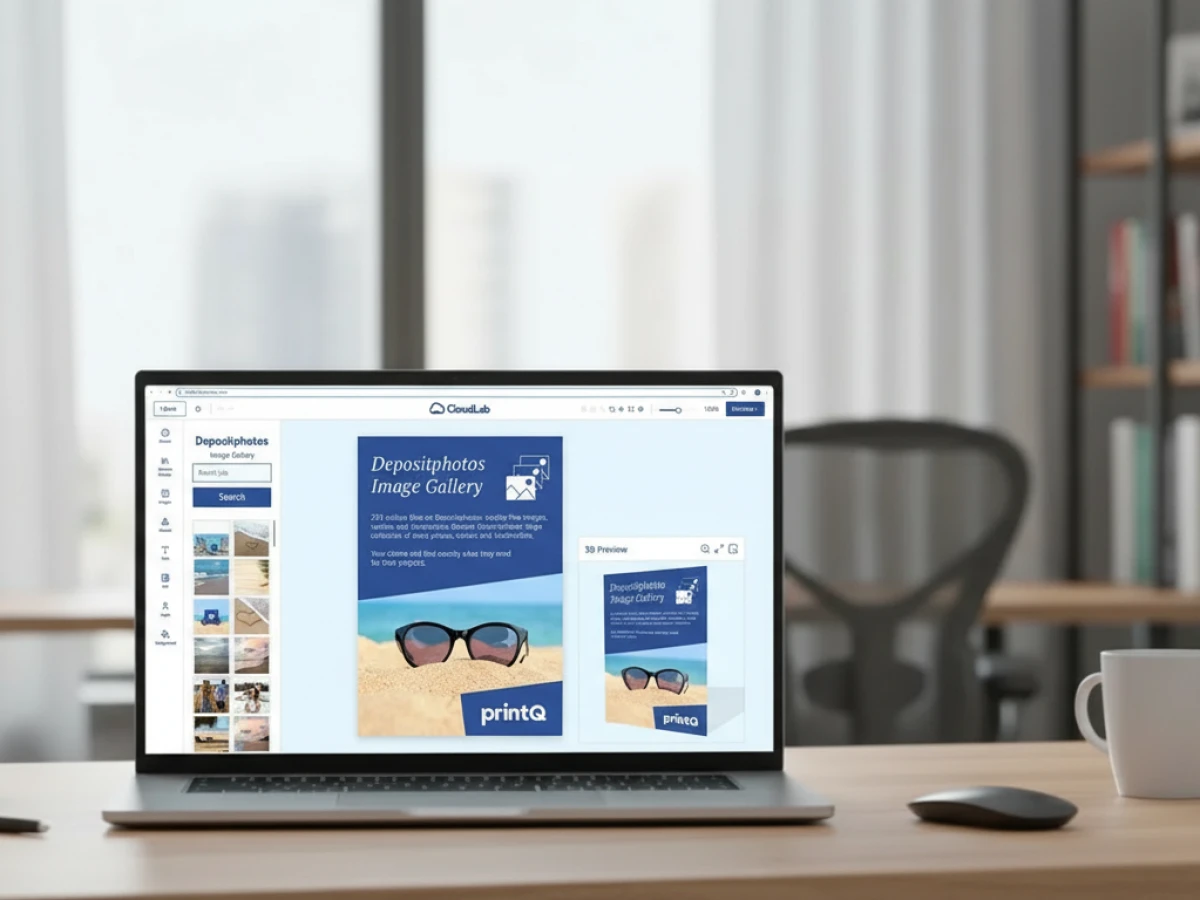
The variable data printing (VDP) refers to a digital printing method where elements such as text, images, or codes change from one printed piece to the next without stopping production. This technology allows printers to create highly personalized marketing materials at scale. Modern online print solutions like printQ combine VDP with automated workflows, templates, and web to print storefronts. The result is efficient personalization, faster campaign execution, and scalable print production.
Understanding the Definition of Variable Data Printing (VDP)
The definition of variable data printing (VDP) describes a digital printing process where certain elements of a design change dynamically during production. Instead of producing identical copies, each printed piece can contain unique information such as names, addresses, images, or personalized offers.
This capability has transformed the role of print in modern communication.
Traditional printing methods produced static content. Once printing plates were created, every page looked exactly the same. Digital printing technology changed that limitation by allowing content to be modified for every individual print.
Variable Data Printing uses this capability to merge data with design templates automatically.
A single production run can generate thousands of personalized items without interrupting the printing process.
For businesses and marketing teams, this means that printed communication can become as targeted and individualized as digital advertising.
Platforms like printQ bring this concept into a structured environment where personalization, design, and production workflows are integrated into scalable online print solutions.
How Variable Data Printing Works
To understand the variable data printing VDP definition, it is useful to examine the technical workflow behind it.
Variable Data Printing combines three key components: design templates, data sources, and automated processing.
The design template defines the layout of the printed material. Some elements remain fixed, such as brand logos or background graphics. Other areas are designated as variable fields.
These fields are connected to external data sources.
The data source may contain customer information, marketing offers, location specific content, or product recommendations.
When the print job is generated, the system merges the template with the data set. Each record in the data file produces a unique version of the design.
The printing system then outputs these personalized versions sequentially.
The digital press does not need to stop between copies because the content changes automatically.
This process allows businesses to produce personalized communication at industrial scale.
Why Personalized Print Is More Important Than Ever
Marketing communication has become increasingly competitive.
Consumers receive hundreds of digital messages every day through email, social media, and online advertising. Many of these messages are ignored because they feel generic.
Personalized communication stands out.
This is one of the main reasons why printing variable data has become such an important marketing strategy.
Printed materials can incorporate personal details that create a stronger connection with the recipient.
A personalized postcard that includes the recipient’s name, location, and relevant product suggestions feels far more engaging than a generic flyer.
Companies also use personalization to adapt campaigns to different customer segments.
Regional promotions, seasonal offers, and customer specific recommendations can all be included in a single print run.
These capabilities make Variable Data Printing a powerful tool for direct marketing.

The Role of Online Print Solutions in Variable Data Printing
While digital presses enable variable data printing, software platforms are required to manage the design and data integration processes.
This is where online print solutions become essential.
Online print platforms connect design tools, data management, and production automation into a unified system.
printQ provides such a platform.
As a premium Web to Print solution built on Adobe Magento and Adobe Commerce, printQ integrates Variable Data Printing capabilities with storefronts, design editors, and automated workflows.
Customers can configure personalized print products directly through the online interface.
Design templates incorporate dynamic fields that connect to data sources.
Once the order is submitted, the system generates personalized output files automatically.
This integration transforms variable data printing from a complex technical process into a manageable workflow for print providers.
Template Design for Variable Data Printing
Templates are the foundation of any VDP workflow.
A template defines which elements of a design remain constant and which elements change dynamically.
Within the variable data printing VDP definition, templates play a critical role because they maintain visual consistency across thousands of personalized versions.
printQ provides a comprehensive Template Gallery that allows designers and print providers to create reusable templates.
These templates include variable fields that connect to external data sources.
For example, a direct mail template may include fields for recipient name, personalized images, and individual promotional codes.
When the data file is imported into the system, the template automatically generates the personalized versions of the design.
This template driven approach simplifies campaign preparation and reduces the risk of design inconsistencies.
Variable Data Printing and the Online Editor
Design tools play a crucial role in making VDP accessible.
Many marketing teams do not have extensive design expertise. They need intuitive interfaces that allow them to create personalized campaigns quickly.
printQ includes an advanced online editor that integrates variable data fields directly into the design environment.
Users can place dynamic elements within the layout and connect them to data sources.
The editor provides real time previews that show how different data records affect the design.
This preview functionality helps users confirm that text fits properly within the layout and that images align correctly.
By integrating VDP functionality into the design tool, printQ makes the technology accessible to a wider audience.
Marketing teams can prepare personalized print campaigns without relying on specialized design software.
Automating the Print Production Workflow
Variable data campaigns often involve thousands of unique pieces.
Managing these jobs manually would be extremely time consuming.
Automation therefore plays a crucial role in the print production workflow.
printQ connects the design and data preparation stages directly with automated production systems.
Once the template and data file are finalized, the platform generates individualized output files automatically.
Preflight tools analyze each file to ensure it meets production requirements.
Resolution, color profiles, and layout positioning are verified before printing begins.
If the file meets the required standards, the system generates a production ready PDF.
This automated workflow allows printers to process large personalization campaigns efficiently.
Production teams can focus on monitoring output rather than manually preparing files.
Supporting B2B Print Portals with Variable Data Printing
Variable data printing is particularly valuable in corporate environments.
Large organizations often need to produce marketing materials for multiple locations, departments, or franchise partners.
These scenarios are ideal for web to print B2B portals.
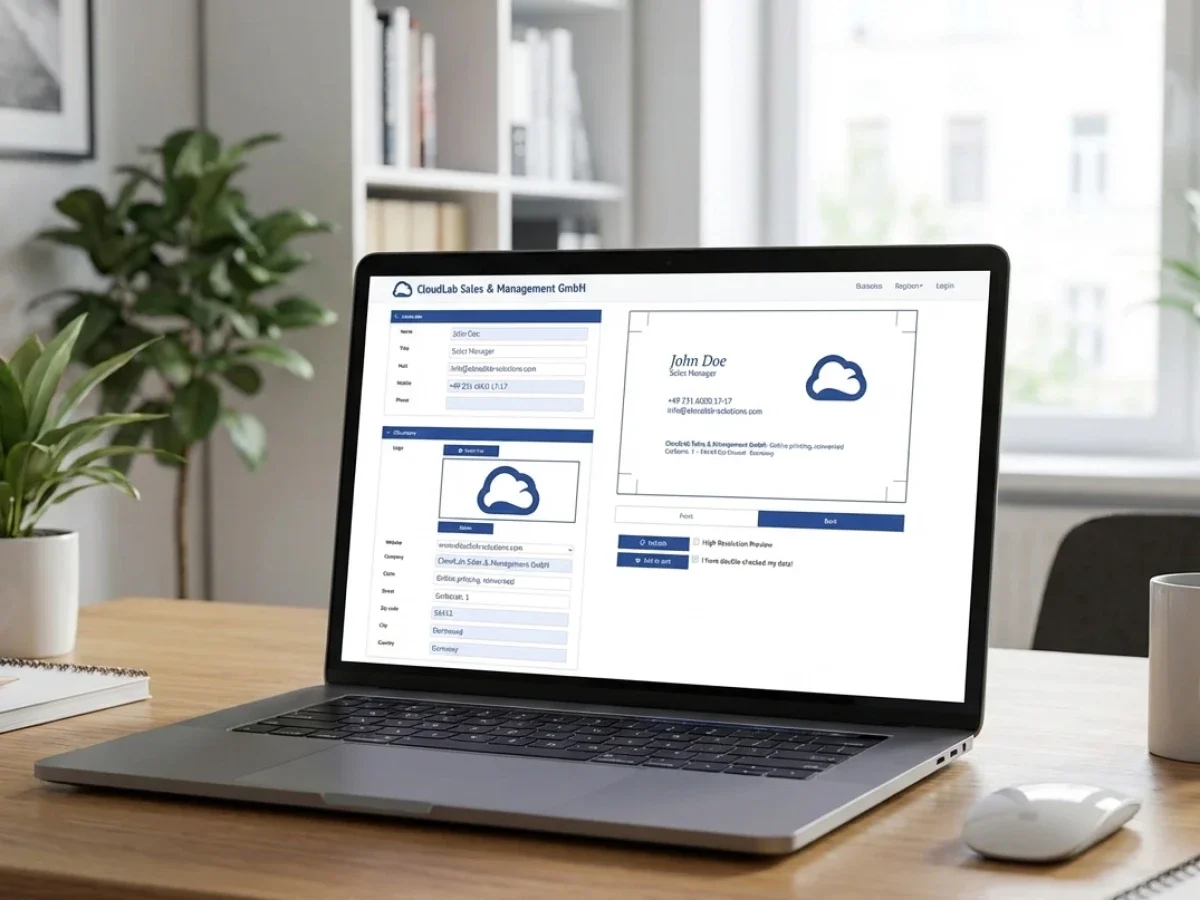
printQ allows companies to create secure ordering portals where employees can generate personalized materials using predefined templates.
For example, a corporate marketing department may create a brochure template that includes variable fields for store address, contact details, and local promotions.
Branch managers can log into the portal, customize these fields, and submit orders directly.
The system generates personalized print files automatically.
This approach ensures brand consistency while allowing local customization.
Real World Applications of Variable Data Printing
Many industries rely on Variable Data Printing to enhance their marketing efforts.
Retail companies use personalized direct mail to promote targeted offers.
Financial institutions send customized statements and promotional materials to customers.
Healthcare providers produce personalized appointment reminders and educational materials.
In each of these scenarios, the variable data printing VDP definition describes a process where large volumes of personalized print are produced efficiently.
Online print platforms such as printQ make these workflows accessible to printers and organizations.
By integrating storefronts, design tools, and automated production systems, printQ enables companies to run sophisticated personalization campaigns with minimal manual effort.
Mobile Integration and Data Collection
Modern print campaigns often rely on data collected from multiple sources.
Customer databases, marketing platforms, and ecommerce systems all contribute valuable information.
printQ supports integration with these systems through open APIs and structured data exchange formats.
The platform supports REST and SOAP web services as well as XML, JDF, CSV, and JSON data formats.
These integrations allow customer data to flow directly into the VDP workflow.
For example, a marketing automation system can export customer segmentation data into a format compatible with printQ.
The platform then merges this data with design templates to produce personalized print materials.
Scaling Personalized Print Campaigns
Large scale personalization requires infrastructure that can handle high volumes of data and design variations.
printQ supports this requirement through its scalable architecture.
The platform can manage multiple storefronts, portals, and campaigns simultaneously.
A single installation can support numerous clients and product catalogs.
This multi client architecture makes printQ suitable for both small print providers and large online print companies.
Companies such as SAXOPRINT demonstrate how scalable Web to Print platforms can support extensive product catalogs and high order volumes.
By combining ecommerce storefronts with automated production workflows, printQ allows printers to expand their personalization services without increasing operational complexity.
The Future of Variable Data Printing
Variable Data Printing continues to evolve as data analytics and marketing automation technologies advance.
Future campaigns will likely incorporate even more sophisticated personalization strategies.
Artificial intelligence may analyze customer data to determine the most effective content for each recipient.
Dynamic design systems may adjust layouts automatically based on user preferences.
Integration between print and digital marketing channels will also increase.
Printed materials may include QR codes or personalized URLs that connect recipients to digital experiences.
Platforms like printQ provide the infrastructure needed to support these innovations.
By combining Web to Print storefronts, automated workflows, and data integration capabilities, printQ enables printers to participate in the next generation of personalized marketing.
Why the Variable Data Printing VDP Definition Matters for Modern Print
Understanding the variable data printing VDP definition is essential for anyone involved in modern print marketing.
Variable Data Printing allows businesses to produce personalized communication at scale, combining the impact of physical print with the targeting capabilities of digital marketing.
However, successful implementation requires software platforms that integrate design, data management, and production automation. As a premium Web to Print solution built on Adobe Magento and Adobe Commerce, printQ connects Variable Data Printing technology with powerful online print solutions, automated workflows, and scalable storefront infrastructure.
For printers, agencies, and enterprises seeking to deliver personalized print campaigns efficiently, printQ offers a comprehensive platform for implementing Variable Data Printing.
The variable data printing VDP definition describes a digital printing method where personalized content changes automatically for each printed item. This technology enables highly targeted marketing campaigns and personalized print products at scale. Platforms like printQ combine Variable Data Printing with advanced online print solutions, automated production workflows, and scalable Web to Print storefronts. The result is efficient personalization, faster campaign execution, and modern print marketing capabilities.