Optimizing Your InDesign Workflow with printQ
printQ is a premium web-to-print software that streamlines your InDesign workflow, making it easier for businesses to manage print jobs. With features like automation and a user-friendly online editor, printQ supports both B2B and B2C operations. Experience the benefits of a flexible and scalable solution tailored for modern printing needs.
printQ in the Workfield
In the modern print industry, speed and efficiency are no longer optional — they define competitiveness. Customers expect personalized print products, fast turnaround times, and a seamless digital ordering experience. At the same time, print businesses must manage growing complexity in design, production, and fulfillment. This is where printQ becomes a decisive factor.
As a premium web-to-print software, printQ is designed to optimize InDesign-based workflows while connecting design, eCommerce, and production into a single automated system. By combining professional print logic with a Magento-based eCommerce foundation, printQ enables print businesses to scale without sacrificing control or quality.
What Is printQ?
printQ is a professional web-to-print solution built natively on Adobe Magento, also known as Adobe Commerce. This architecture allows print businesses to use a proven eCommerce platform while extending it with print-specific functionality.
The software supports both B2B and B2C web-to-print models within one system. Public online shops can coexist with closed customer portals, making printQ suitable for print service providers, agencies, and enterprises alike. Deployment is flexible, as printQ can run either as a cloud-based SaaS solution or on-premise, depending on security and infrastructure requirements.
Why Web-to-Print Software Matters for InDesign Workflows
Adobe InDesign remains the industry standard for professional print design. However, traditional InDesign workflows often rely on manual steps, file exchanges, and repeated corrections. These processes slow down production and increase error rates.
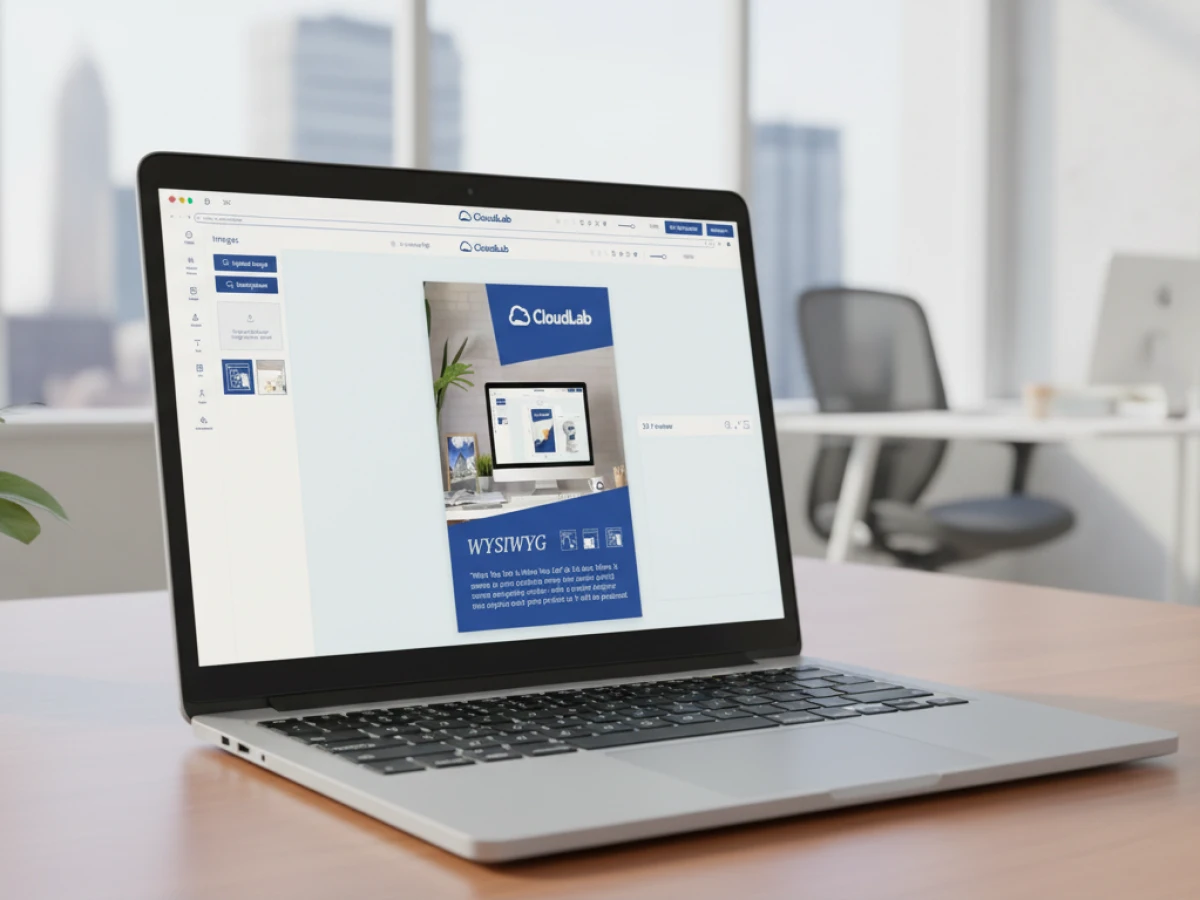
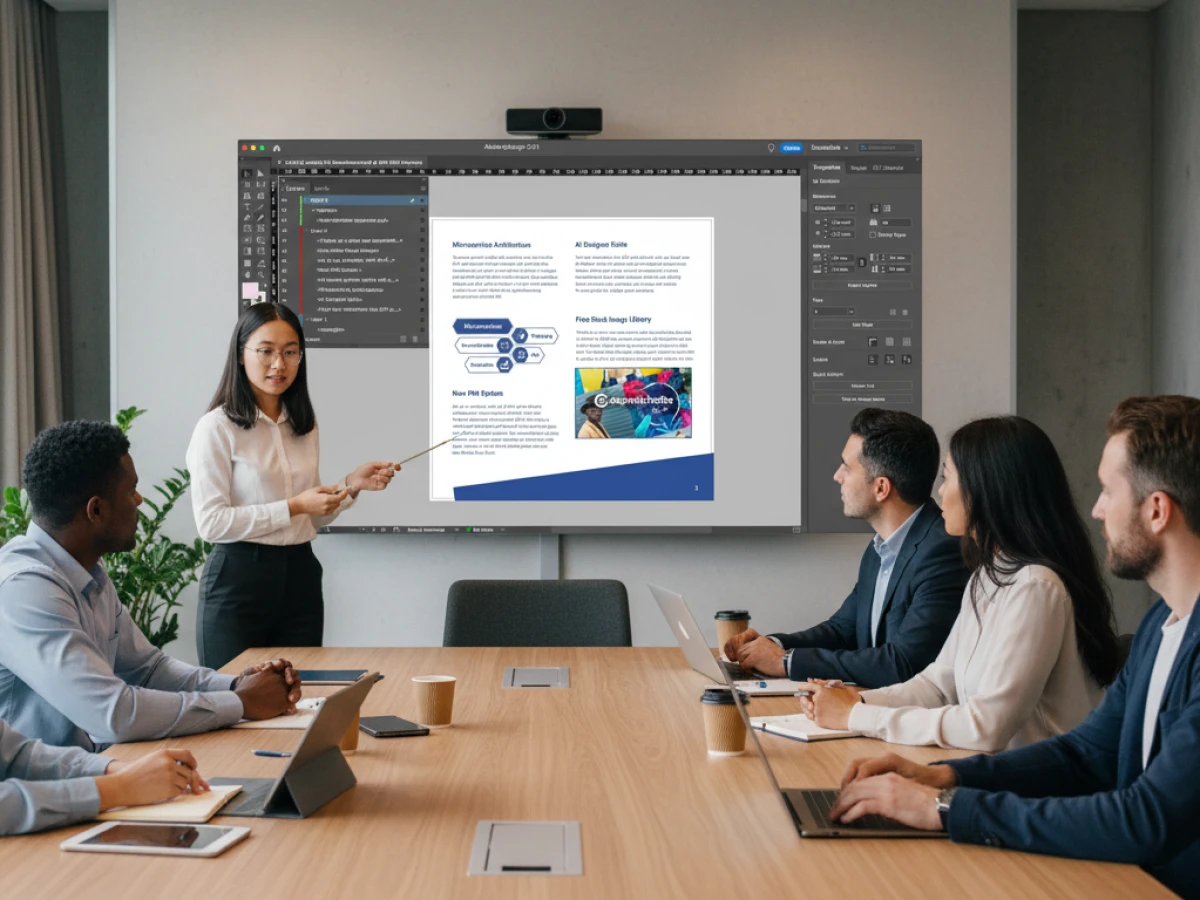
printQ enhances the InDesign workflow by transforming static design files into dynamic, web-enabled print products. Templates created in InDesign can be connected to web-to-print storefronts, allowing customers to personalize content while maintaining full production control. This approach preserves creative integrity while enabling automation and scalability.
Seamless Integration Between InDesign and Web-to-Print
One of the core strengths of printQ is its ability to bridge the gap between creative design and automated production. Instead of replacing existing design processes, printQ builds on them.
Design templates prepared in InDesign can be uploaded and managed within the printQ system. Once connected, these templates become the foundation for online product configuration. Customers personalize content within defined rules, while the underlying layout and production parameters remain protected.
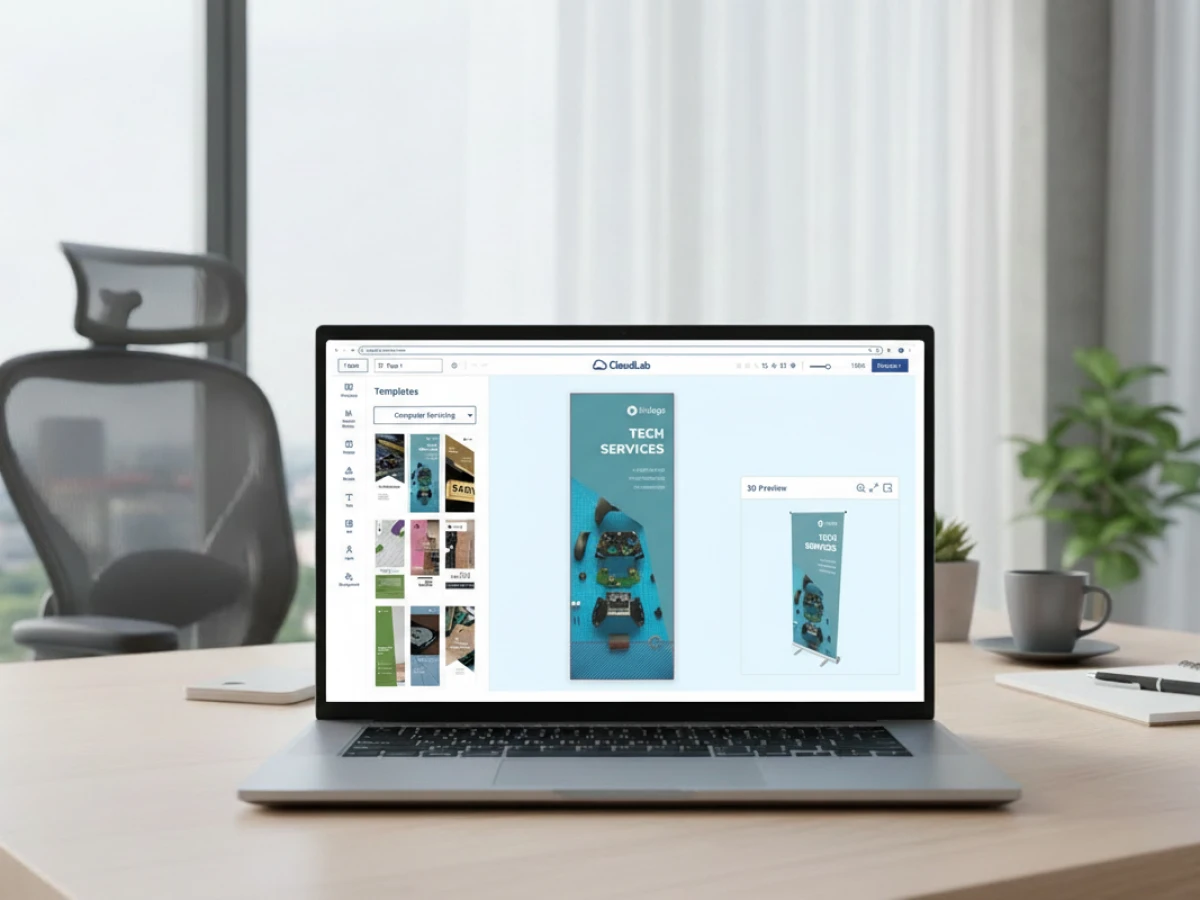
Real-time previews provide visual feedback, ensuring that what customers see online accurately reflects the final printed result. This significantly reduces misunderstandings, manual corrections, and costly reprints.
Advanced Product Configuration and Automation
Print products are complex by nature. Formats, materials, quantities, and finishing options influence both pricing and production logic. Generic eCommerce systems struggle to handle this complexity.
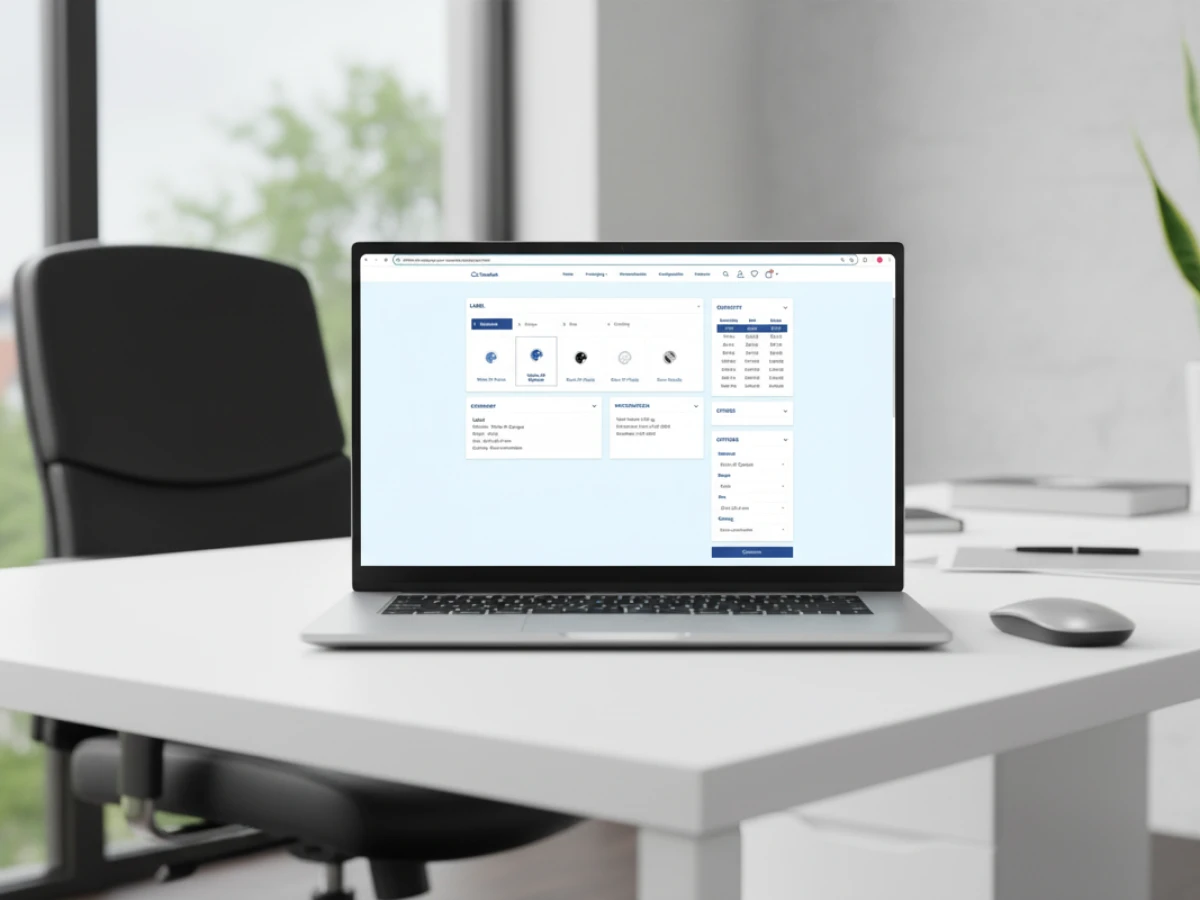
printQ addresses this challenge by combining intelligent product configuration with automated calculation. As customers modify product parameters, prices update instantly based on real production logic. Invalid combinations are prevented, ensuring that every order is technically feasible and economically viable.
Automation continues beyond checkout. Integrated preflight processes validate files, generate print-ready output, and pass structured data directly into production workflows. Routine orders can run fully automated, enabling true “lights-out” production.
Supporting Both B2B and B2C Print Business Models
Modern print businesses rarely operate in a single market segment. printQ supports B2C and B2B use cases within one unified platform.
B2C storefronts focus on usability, speed, and conversion. Customers configure products online, see instant pricing, and reorder frequently used items with minimal effort.
B2B portals emphasize control and compliance. Closed shops provide role-based access, approval workflows, and CI-compliant templates. Enterprises and franchise organizations benefit from centralized governance combined with local customization options.
Both models rely on the same underlying web-to-print software and API structure, reducing complexity and long-term maintenance effort.
Variable Data Printing at Scale
Personalization has become a standard expectation in print. Variable Data Printing allows each printed item to contain unique content, such as names, addresses, or location-specific information.
printQ integrates variable data printing directly into the web-to-print workflow. Customers personalize content online, while the system processes variable data automatically in the background. Pricing, production, and output generation are handled without manual intervention, making mass customization economically viable.

Mobile Uploads and Flexible Content Sources
Modern customers create content across devices. printQ supports mobile uploads via QR code, allowing users to transfer images directly from smartphones into the online editor.
All uploaded content is validated automatically against production rules. This ensures consistent quality regardless of where the content originates and prevents incompatible files from entering the workflow.
Open Integrations and API-First Architecture
Print businesses operate within complex IT landscapes. ERP, MIS, and production systems must exchange data reliably.
printQ follows an API-first, headless architecture that supports standardized interfaces such as REST, SOAP, XML, JDF, CSV, and JSON. This enables seamless integration with existing systems and protects long-term IT investments. Instead of forcing businesses into closed ecosystems, printQ adapts to established workflows.
Scalability for Growing Print Operations
As print businesses grow, so does complexity. More customers, more products, and more storefronts can overwhelm rigid systems.
printQ scales from a single online print shop to multi-client environments with hundreds of portals. Centralized rule management ensures consistency, while customer-specific adaptations remain possible. This scalability makes printQ a long-term solution rather than a temporary tool.
Who Benefits from printQ
Print service providers use printQ to automate repetitive tasks, reduce manual prepress work, and increase throughput without adding staff. Agencies operate white-label portals for multiple clients while ensuring brand consistency through templates. Enterprises and franchise organizations rely on controlled customization and centralized approval workflows.
Across all use cases, printQ connects InDesign workflows, online ordering, and production into a single automated system.
Proven Performance in Real-World Environments
printQ is used by print businesses worldwide in demanding production environments. Large online printers manage extensive product portfolios, mid-sized companies successfully transition to digital sales models, and international providers operate complex B2B portals with strict brand requirements.
These real-world deployments demonstrate that printQ delivers reliability, scalability, and efficiency at scale.
InDesign with printQ
Optimizing your InDesign workflow with printQ transforms how print products are sold and produced. By combining professional web-to-print software, intelligent automation, and deep eCommerce integration, printQ enables print businesses to scale efficiently while maintaining full control over quality and production. For B2B, B2C, and hybrid print operations, printQ provides a future-proof foundation for modern print commerce.