Custom Web to Print with Brand Templates

Custom web to print platforms allow printers and enterprises to create brand compliant templates and automated workflows. A powerful web to print designer is central to controlling layouts while enabling user personalization. printQ combines Adobe Commerce, API first architecture, and advanced design tools in one scalable system. The result is full customization without losing production control or automation.
Custom Web to Print: Creating Brand Compliant Templates and Workflows with a Web to Print Designer
Custom web to print is no longer about visual customization alone. It is about structuring brand rules, automating workflows, and connecting storefront logic directly to production systems. Printers and enterprises need environments where creativity is controlled, scalable, and technically precise.
A modern web to print designer must enable personalization without breaking brand guidelines. At the same time, backend systems must translate design choices into structured production data.
printQ delivers this balance by combining advanced editing capabilities with deep automation and integration.
What Custom Web to Print Really Means
Customization in web to print environments operates on multiple levels. It includes storefront branding, template control, pricing logic, workflow automation, and backend connectivity.
A true custom web to print platform allows businesses to adapt:
- Product configurators to specific industries
- Brand templates with controlled editable zones
- Approval workflows aligned with internal governance
Customization is valuable only when it supports operational efficiency. Uncontrolled flexibility increases errors and production delays.
printQ structures customization through defined configuration layers.
The Strategic Role of the Web to Print Designer
The web to print designer is the core interaction layer between user and production system.
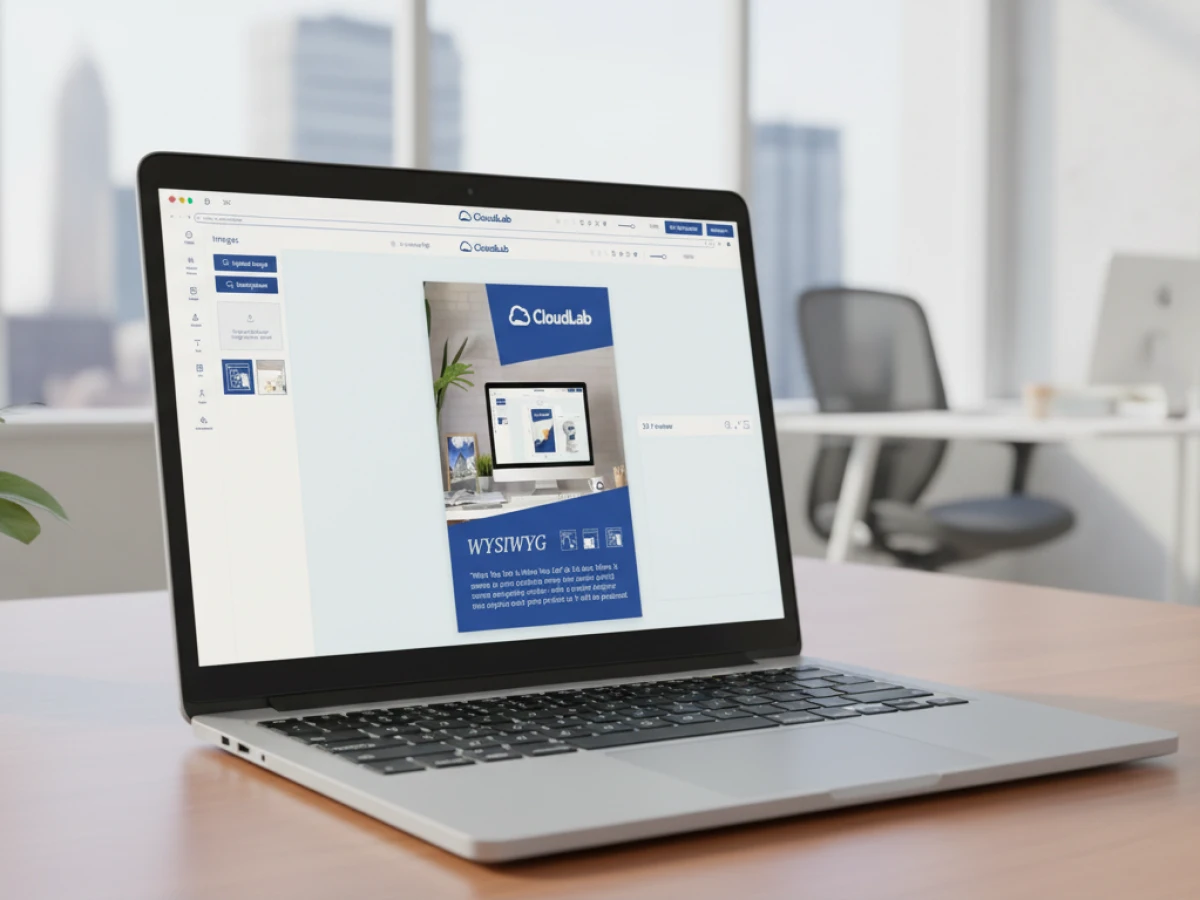
In printQ, the WYSIWYG designer enables real time 2D and 3D previews. Users see exactly how their document will appear in print. This visual clarity reduces misunderstandings and minimizes rework.
Design elements such as text blocks, images, and finishing options can be locked or partially editable. This ensures brand consistency while allowing personalization.
The designer becomes both a creative tool and a compliance mechanism.
Brand Compliant Template Architecture
Corporate clients demand strict brand governance. Local teams must personalize materials without altering fonts, colors, or layout structure.
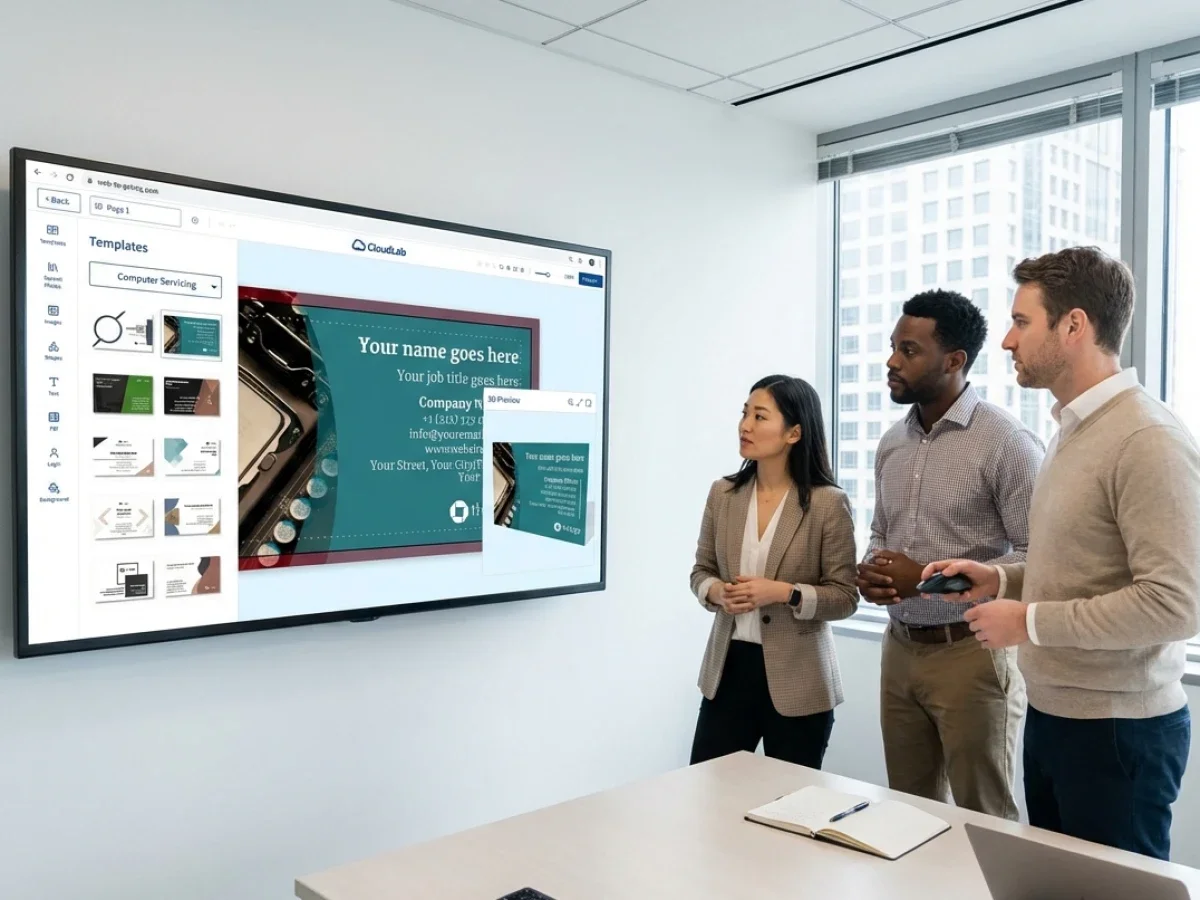
printQ supports template creation where editable and non editable areas are clearly defined. Corporate identity elements remain protected.
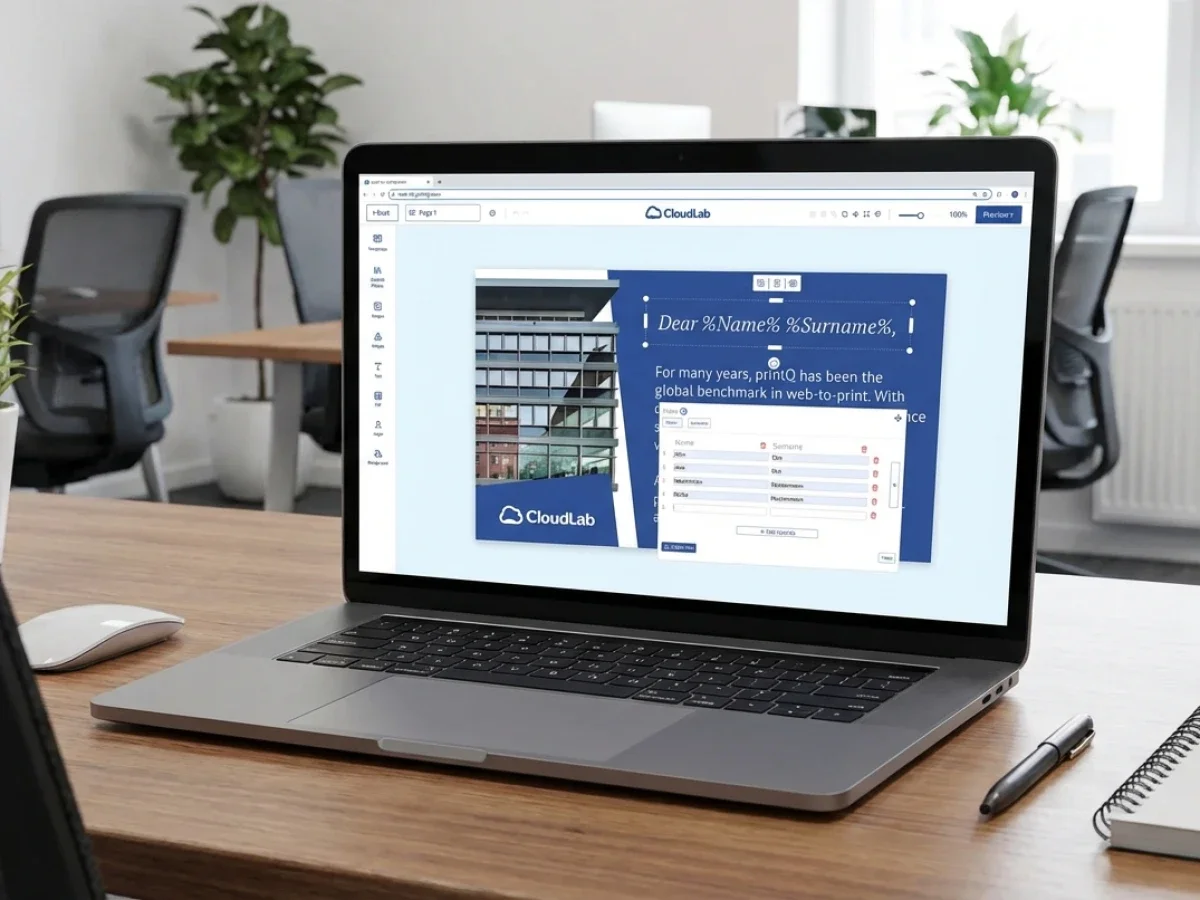
Variable Data Printing allows personalization of names, addresses, or campaign details at scale. Mass customization occurs within brand boundaries.
For franchises and multi location enterprises, this approach eliminates inconsistent marketing materials.
B2B and B2C Workflows in One System
Custom web to print environments often need to support both retail and corporate customers.
printQ integrates open B2C storefronts and closed B2B portals within a single installation. B2C users benefit from intuitive product configuration and seamless checkout. B2B users access role based permissions, approval workflows, and individualized pricing.
This unified architecture reduces administrative complexity. Brand control and personalization operate within the same system.
Customization does not require multiple platforms.
Adobe Commerce as Structural Foundation
printQ is the only web to print solution built directly on Adobe Commerce. This provides a powerful e commerce backbone combined with production specific features.
Customer segmentation, pricing logic, tax handling, shipping modules, and payment integrations are part of the core environment. There is no need to develop these elements from scratch.
Magento integration ensures long term extensibility. The commerce layer and design layer operate in sync.
Customization becomes scalable rather than experimental.
Workflow Automation and Preflight Integration
A web to print designer is effective only when connected to automated production logic.
printQ integrates automated preflight checks for resolution, bleed, and color profile validation. Production ready PDFs are generated immediately after order confirmation.
Routine jobs can proceed directly into production without manual intervention. This lights out capability ensures that custom templates do not create bottlenecks.
Automation preserves both speed and quality.
Mobile Upload and Asset Integration
Modern workflows require flexible asset handling.
printQ enables mobile upload via QR code login. Users can transfer images from smartphones directly into their layout.
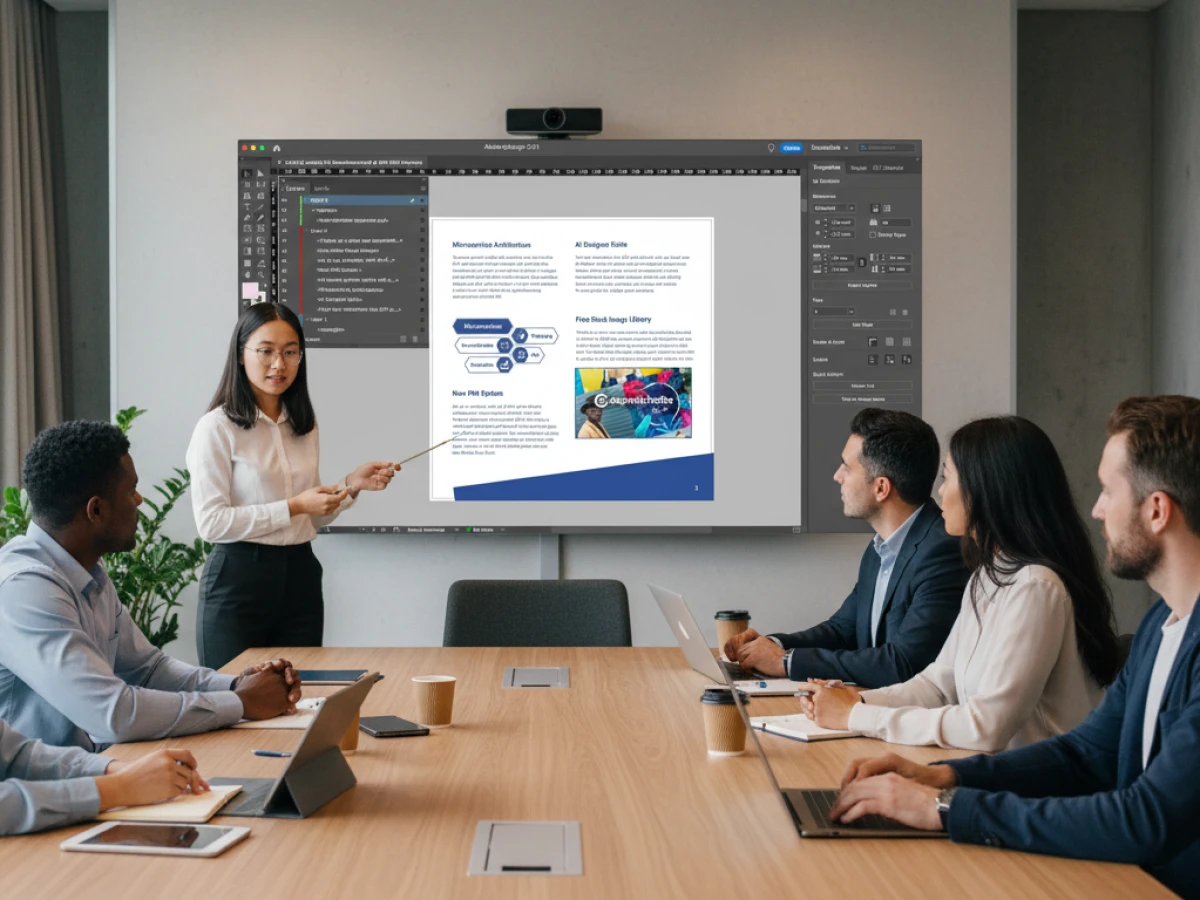
Existing design templates created in professional design software can be integrated into the system. This protects previous investments in graphic development.
The web to print designer becomes a bridge between professional design teams and decentralized users.
API First Architecture for Custom Integrations
Customization extends beyond visual design. It includes backend integration.
printQ follows an API first and headless architecture. Frontend presentation and backend logic operate independently.
ERP and MIS systems connect through REST, SOAP, XML, JDF, CSV, or JSON interfaces. Orders generate structured job tickets automatically.
This ensures that custom web to print environments integrate smoothly into existing production infrastructure.
Multi Client and White Label Capabilities
Agencies and print groups often operate multiple branded portals.
printQ supports multi client environments within one installation. Each storefront can maintain unique branding and template sets while sharing backend automation.
White label portals allow agencies to provide brand compliant design environments for corporate clients. Central administration ensures consistent production logic.
Scalability does not require duplicated infrastructure.
Case Insight: Druckhäusle
Druckhäusle implemented printQ to transition into online commerce.
Brand compliant templates enabled clients to personalize materials without design errors. Automated workflows reduced manual coordination.
Within months, online orders flowed directly into production systems. Custom web to print functionality translated into measurable efficiency gains.
Case Insight: Velocity Graphics
Velocity Graphics developed a structured B2B portal for a nationwide restaurant chain.
Menu boards required localized updates while preserving strict brand standards. The web to print designer controlled editable fields and locked core layout elements.
Backend integration ensured accurate production scheduling. Customization operated within a stable framework.
Case Insight: SAXOPRINT
SAXOPRINT manages extensive product portfolios and high order volumes.
Complex product configuration and brand customization require reliable infrastructure. printQ supports intricate template logic while maintaining system performance.
Enterprise level deployment confirms scalability across demanding environments.
SaaS or On Premise Deployment
Infrastructure flexibility supports customization strategies.
printQ can operate as SaaS in the cloud or as an on premise installation. Both models provide identical feature sets.
Cloud deployment accelerates rollout. On premise hosting offers full data control for enterprises with compliance requirements.
Customization remains consistent regardless of deployment model.
Long Term Governance and Vendor Independence
Custom web to print systems must remain adaptable over time.
printQ’s open architecture ensures that integrations remain flexible. Data flows through standardized interfaces.
Magento based extensibility prevents dependency on closed ecosystems. Printers and enterprises retain control over their development roadmap.
Governed customization outperforms unmanaged modification.
Operational Benefits for Printers and Enterprises
Custom web to print environments built on printQ deliver tangible advantages:
- Reduced manual design intervention
- Consistent brand compliance across locations
- Automated production ready file generation
These benefits influence profitability and brand perception.
Customization is effective only when it enhances operational reliability.
Balancing Creativity and Control
A powerful web to print designer must allow creativity within defined parameters.
printQ ensures that design freedom does not compromise production accuracy. Editable zones, locked elements, and structured templates maintain balance.
Users experience intuitive customization. Production teams receive consistent and validated data.
This equilibrium defines mature custom web to print strategy.
Custom Web to Print with Structured Brand Control
Custom web to print platforms must combine flexible design tools with automated production integration. A powerful web to print designer is essential for creating brand compliant templates while enabling personalization at scale.
printQ integrates Adobe Commerce, API first connectivity, automated preflight, and unified B2B and B2C architecture in one scalable environment. By combining customization freedom with structured governance and end to end automation, printQ delivers a reliable foundation for modern print businesses and enterprises.
Custom web to print requires more than visual flexibility. Printers and enterprises need a powerful web to print designer that supports brand compliant templates and automated workflows. printQ combines Adobe Commerce integration, API first architecture, multi client scalability, and automated preflight in one platform. It enables personalization without sacrificing control, ensuring consistent brand presentation and production efficiency across B2B and B2C environments.