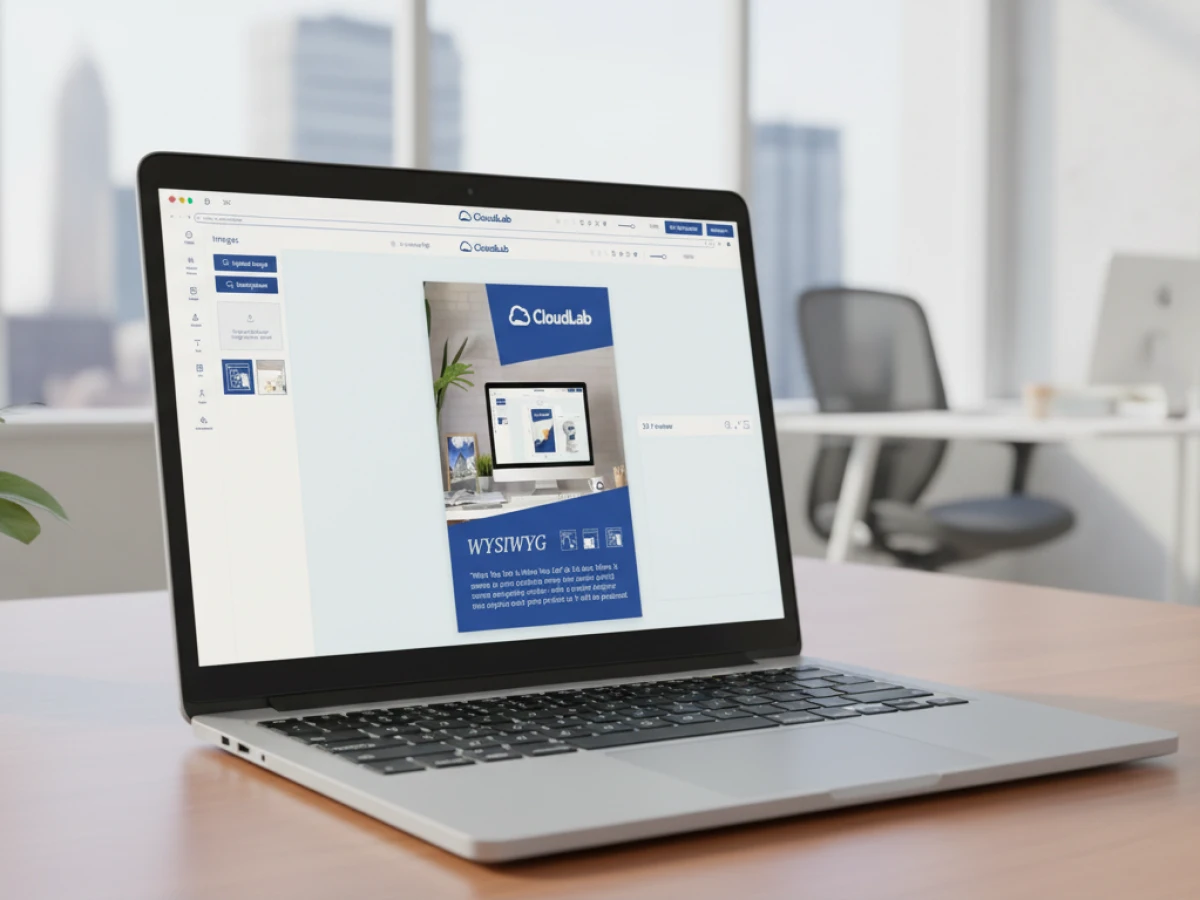
printQ: plataforma premium de código abierto de web para imprimir para impresoras

Web‑to-Print está revolucionando la industria de la impresión y el «código abierto» es sinónimo de flexibilidad y libertad. printQ de CloudLab es la única solución de impresión web que utiliza Adobe Magento, ya que combina el editor en línea, la automatización y las API abiertas, y permite a las imprentas, agencias y empresas con redes de sucursales crear escaparates B2C y B2B. El mercado de la impresión comercial sigue creciendo y cada vez son más los proveedores que recurren a las soluciones SaaS. printQ ofrece ambas: un entorno modular en la nube o una instalación local dedicada.
De la impresión tradicional a los flujos de trabajo digitales: la revolución de la impresión de la web a la impresión
El término web para imprimir se refiere a la digitalización completa de la producción impresa. Los clientes eligen los productos en línea, los diseñan en tiempo real, comprueban el resultado en 2D/3D y activan el pedido. En los últimos años, el mercado ha crecido rápidamente: según Grand View Research, los ingresos de la industria de la impresión comercial ascendieron a 501.360 millones de dólares en 2024; en 2030, se espera que lleguen a 598.060 millones de dólares. Al mismo tiempo, el modelo de alojamiento está cambiando: los análisis muestran que alrededor del 90 por ciento de los proveedores de servicios de impresión ahora prefieren las soluciones SaaS, mientras que el enfoque clásico «dedicado» de la web a la impresión está creciendo más lentamente.
Las bases de código abierto como Magento, Sylius o Shopware han acelerado este desarrollo. BitBag señala que Sylius es un marco de comercio electrónico sin cabecera de código abierto desarrollado especialmente para plataformas B2C/B2B, mientras que Shopware se considera un plataforma de experiencia del cliente flexible y de código abierto. Por lo tanto, muchos proveedores de impresión desde la web confían en arquitecturas abiertas porque facilitan las personalizaciones e integraciones. Con printQ, CloudLab ofrece una plataforma de primera calidad que combina esta apertura con la estabilidad y la funcionalidad de Adobe Magento. A continuación se explica cómo funciona printQ, qué ventajas ofrece el sistema y por qué está diseñado especialmente para impresoras, agencias y empresas con redes de sucursales.
¿Qué es Web‑to‑Print y por qué el código abierto?
Definición y tendencias del mercado
La impresión web se refiere al proceso en el que los trabajos de impresión se configuran, diseñan y solicitan mediante un navegador. Los clientes seleccionan los productos, modifican los diseños, cargan archivos, revisan la vista previa y aprueban el pedido de forma digital. Código abierto desempeña un papel fundamental en este sentido, ya que los proveedores de servicios de impresión pueden utilizar y personalizar libremente el código fuente o, al menos, las interfaces.
Las tasas de crecimiento de la industria de la impresión muestran que es necesario invertir en la impresión web: la industria de la impresión comercial crecerá alrededor de 3.2% por año hasta 2030 según Grand View Research. Las imprentas deben seguir el ritmo de la creciente demanda. El modelo de software también está cambiando: un estudio de mercado realizado por OnPrintShop muestra que las soluciones de impresión web basadas en SaaS predominan debido a su agilidad y bajos costes iniciales. El noventa por ciento de los proveedores prefieren la nube; sin embargo, las soluciones locales siguen siendo relevantes cuando las empresas requieren un control e integración totales en los sistemas internos.
Plataformas abiertas: una tendencia en el comercio electrónico
Marcos de comercio electrónico sin cabeza, como Sylius (código abierto, B2C/B2B, multiproveedor) y Artículos de tienda (código abierto, centrado en la experiencia del cliente) son ejemplos de cómo la tecnología de código abierto permite plataformas web flexibles. Separan el frontend del backend, lo que permite a los desarrolladores diseñar interfaces de usuario libremente y conectarse a través de las API REST o GraphQL. Esta apertura es importante en la impresión desde la web, ya que los productos de impresión requieren configuraciones complejas, datos variables y flujos de trabajo automatizados.
printQ se basa en Adobe Magento framework: la base de comercio electrónico de código abierto más utilizada del mundo. Esto permite a los usuarios beneficiarse de una gran comunidad de desarrolladores, numerosas extensiones y la posibilidad de integrar sus propios complementos. Al mismo tiempo, printQ complementa las funciones de comercio electrónico de Magento (cupones, opciones de pago, logística de envío) con una potente Editor WYSIWYG, un Vista previa en 3D y un motor de automatización.
printQ: plataforma premium de impresión web en Adobe Magento
Combinación de editor, automatización y API que priorizan
Según CloudLab, printQ es la única solución de impresión desde la web que se basa completamente en Adobe Magento. El sistema combina varios módulos:
‑ Editor en línea (2D/3D): Los clientes diseñan productos con una interfaz WYSIWYG fácil de usar. El diseñador es el corazón de la plataforma; permite colocar textos, logotipos y gráficos en tiempo real. Gracias a las vistas previas en 2D y 3D, los usuarios pueden comprobar el diseño y los efectos, girar y ampliar el producto y realizar cambios de color o correcciones de diseño.
‑ Galería de plantillas y VDP: printQ ofrece millones de plantillas diseñadas profesionalmente. El Diseño dinámico la función adapta los diseños a diferentes formatos, mientras Impresión de datos variables (VDP) permite la personalización con la integración de PDF/VT; los usuarios pueden cargar datos a través de Excel/CSV o introducirlos manualmente.
‑ Automatización y verificación previa: printQ automatiza la generación de archivos PDF impresos, bolsas de trabajo y, opcionalmente, archivos JDF compatibles con los estándares. Una comprobación previa dinámica identifica errores como la baja resolución, los espacios de color o los tamaños de fuente incorrectos antes de realizar el pedido.
‑ Arquitectura que prioriza las API: A través de las interfaces REST, SOAP, XML, JDF/XJDF y JSON, los usuarios pueden integrar el sistema en los entornos de producción o ERP existentes. Gracias al enfoque automático, printQ se puede usar como una tienda independiente o como un complemento en otras plataformas de comercio electrónico (Shopware, BigCommerce, Shopify).
‑ Multicliente y SaaS/on-premise: La plataforma se amplía desde una sola tienda hasta miles de portales. Las empresas eligen entre el alojamiento en la nube o la instalación local y se benefician de la libertad de depender de un proveedor.
Funciones de comercio electrónico de Magento
A través de la base de Magento, están disponibles potentes funciones de tienda: catálogos de productos, carritos de compras, sistemas de descuentos y cupones, módulos de pago y envío, así como informes. Estas funciones se combinan a la perfección con las funciones específicas de impresión y permiten realizar ventas cruzadas y adicionales directamente en la imprenta. CloudLab hace hincapié en que el sistema se puede integrar y ampliar en profundidad gracias a la estructura abierta de Magento, lo que supone una gran ventaja con respecto a las soluciones patentadas de impresión desde la web.
Grupos objetivo y aplicaciones
Impresoras y proveedores de servicios de impresión
Para las impresoras clásicas, printQ ofrece una solución completa para vender productos estándar y especiales en línea. El núcleo del sistema admite escaparates de empresa a consumidor (tiendas públicas) y portales de empresa a empresa (portales corporativos cerrados). Por lo tanto, las empresas pueden atender tanto a clientes finales como a clientes corporativos. La interfaz multilingüe, la integración de los vuelos previos y el cálculo flexible de precios aumentan la eficiencia y la satisfacción del cliente.
Agencias y proveedores de servicios de medios
Las agencias de publicidad y medios utilizan printQ para producir materiales de campaña diseñados individualmente para sus clientes. Gracias a La API es lo primero arquitectura y galería de plantillas, las directrices de la marca se pueden mapear en plantillas; los equipos de marketing pueden crear objetos de impresión con diseños dinámicos y personalizarlos para cada cliente. Las funciones de VDP permiten enviar correos personalizados, mientras que los flujos de trabajo automatizados simplifican la gestión de grandes conjuntos de datos.
Empresas con redes de sucursales (portales B2B)
Las cadenas de tiendas, los sistemas de franquicias y las grandes empresas se benefician de los portales B2B cerrados. Los empleados seleccionan entre los productos aprobados, ajustan los textos o los precios, aprueban los diseños mediante un flujo de trabajo y realizan los pedidos de forma centralizada. El estudio de caso de Velocity Graphics muestra cómo un operador de restaurantes de todo el país administra de manera eficiente los menús y los materiales de los puntos de venta en más de 100 sucursales. Los equipos necesitaban archivos grandes de 26 × 51,5 pulgadas y la posibilidad de intercambiar imágenes y precios; printQ impresionó por su capacidad para procesar archivos de gran tamaño y proporcionan funciones personalizables de forma individual.
Instituciones públicas, editoriales y empresas emergentes
Las autoridades, las instituciones educativas y las editoriales también utilizan printQ para folletos, carteles electorales, materiales didácticos o revistas personalizadas. Las empresas emergentes del segmento de impresión bajo demanda reciben una infraestructura escalable con bajos costes de entrada. La API abierta y el concepto integrado permiten la integración con los sistemas ERP o CRM existentes, mientras que el alojamiento SaaS permite una rápida comercialización.
Funciones detalladas en detalle
Escaparates web para impresión B2C y B2B
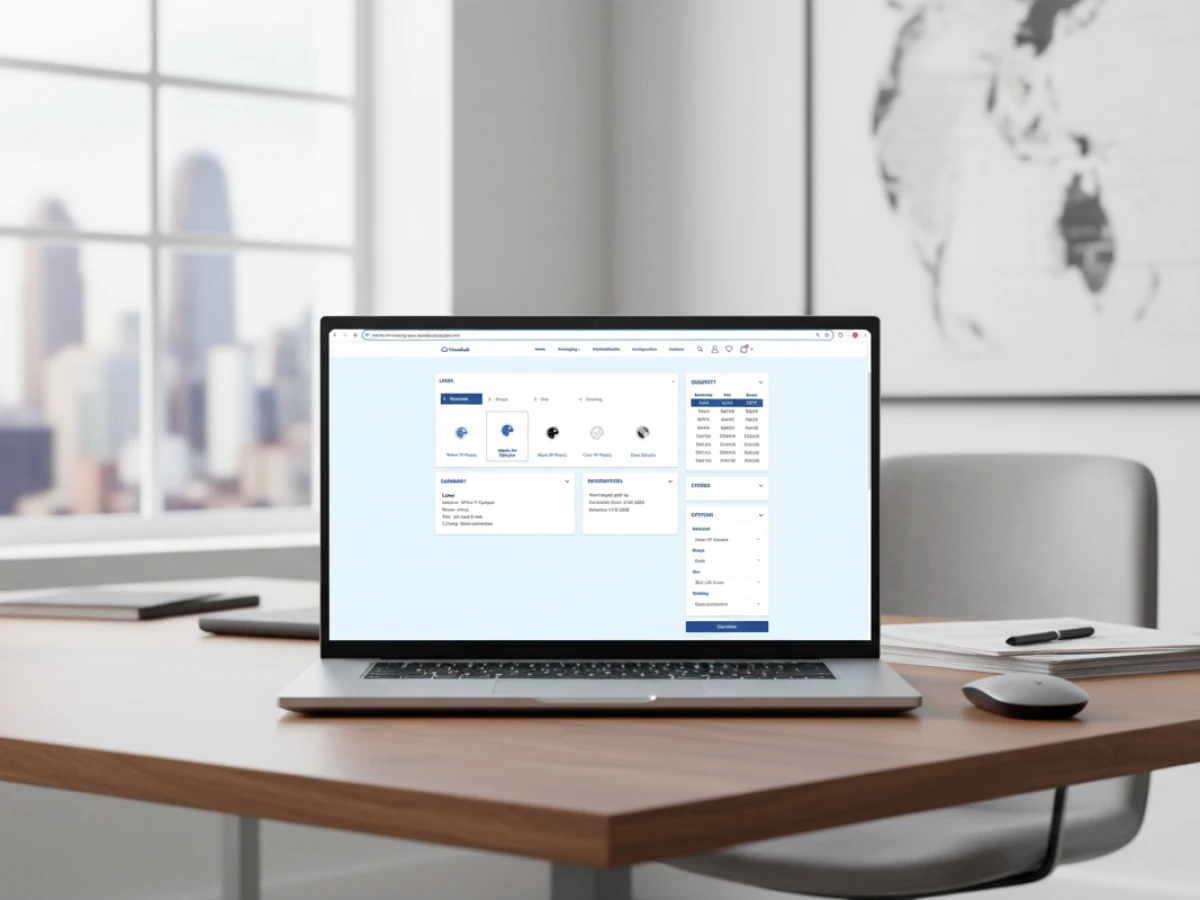
Los escaparates son la capa visible de la plataforma web para imprimir. printQ es compatible con tiendas públicas y portales empresariales cerrados en un solo sistema. Los clientes pueden seleccionar productos, usar plantillas, editar textos, cargar gráficos y transferir imágenes desde teléfonos inteligentes a través de código QR. Un modo de vista previa en 2D/3D muestra el producto final de forma realista. En los portales B2B, se pueden definir los derechos de los usuarios, los presupuestos y los procesos de aprobación para garantizar las directrices de diseño corporativo y la gestión centralizada de los pedidos.
Diseñador WYSIWYG y herramientas de diseño
El diseñador WYSIWYG es, según CloudLab, el «corazón» de printQ. Los usuarios colocan textos, logotipos y gráficos arrastrando y soltando; el sistema ajusta automáticamente las fuentes, los colores y los tamaños. El Vista previa en 3D permite girar y hacer zoom del producto, mientras que Vista 2D proporciona un control de diseño preciso.
El galería de plantillas ofrece millones de plantillas diseñadas profesionalmente para una amplia variedad de industrias. Gracias a Diseño dinámico, un diseño se transfiere automáticamente a otros formatos («Un diseño, muchos formatos»). El Impresión de datos variables La función (VDP) permite impresiones personalizadas; los usuarios pueden cargar datos a través de Excel o CSV, ingresarlos manualmente y procesar diferentes tipos de datos (texto, gráfico, código de barras).
Una característica especial es la vectorización y embellecimiento: Las imágenes rasterizadas se convierten en gráficos vectoriales en el navegador, lo que permite escalar los logotipos y los tipos sin pérdida. Los usuarios pueden añadir adornos como recubrimiento por puntos, lámina caliente y gofrado; cada capa se almacena por separado en el PDF. La API modular y la gestión inteligente de capas reducen el tiempo de preimpresión hasta en un 80%.
Automatización y flujo de trabajo
printQ automatiza todo el flujo de trabajo, desde el pedido hasta la producción:
‑ Configuración detallada del producto: Los clientes eligen materiales, colores, formatos y adornos. Una comprobación de plausibilidad evita combinaciones incorrectas.
‑ Cálculo de precios en tiempo real: Los precios se basan en las constantes estándar del sector y tienen en cuenta la configuración, la impresión y el acabado.
‑ Vuelo previo dinámico: La verificación previa detecta errores en la carga de los datos de impresión (resolución, espacio de color, fuentes) y los corrige antes de realizar el pedido.
‑ Generación automática de datos de impresión: Una vez realizado el pedido, printQ genera archivos PDF listos para imprimir y, opcionalmente, archivos JDF y organiza la transferencia mediante hotfolder.
‑ Importación de InDesign: Los diseñadores pueden crear plantillas en Adobe InDesign e importarlas mediante capas definidas; printQ reconoce los marcadores de posición y bloquea los elementos de diseño.
Integración y API
printQ sigue un Enfoque centrado en las API. Las interfaces REST y SOAP abiertas permiten la integración en los sistemas existentes. El sistema también admite JDF/XJDF, XML y CSV/JSON para la conectividad de producción. A través del Conector printQ Shop, se pueden integrar otras plataformas de comercio electrónico como BigCommerce, Shopware y Shopify, lo que permite a las empresas conservar su tienda actual y simplemente añadir el editor.
Escalabilidad y capacidad multicliente
Una ventaja clave de printQ es su escalabilidad. Las empresas pueden gestionar una sola página de destino o gestionar una red de más de mil portales. Gracias a la estructura multicliente, diferentes marcas, países o clientes pueden utilizar tiendas independientes con su propia marca y gama de productos, mientras que todos los portales se administran de forma centralizada. Esta estructura es ideal para modelos de franquicias, redes de agencias o corporaciones con múltiples marcas.

Casos prácticos e historias de éxito
SAXOPRINT — Escaparates públicos y corporativos
SAXOPRINT, una de las imprentas online más grandes de Europa, utiliza printQ para gestionar tanto tiendas públicas para clientes finales como portales corporativos cerrados para clientes importantes. La plataforma permite la venta de diferentes categorías de productos, desde folletos y tarjetas de presentación hasta empaques, textiles y artículos promocionales, todo en una única base de Magento. Gracias a la arquitectura multicliente, SAXOPRINT puede crear fácilmente nuevos portales B2B para clientes corporativos teniendo en cuenta su diseño corporativo.
Druckhäusle: acceso rápido al comercio electrónico
La imprenta suaba Druckhäusle (DCC Kästl) buscaba una solución flexible para montar rápidamente una tienda online. La empresa eligió printQ porque el editor intuitivo y la base de Magento permitían una personalización gratuita. La tienda comenzó a funcionar en tres meses; gracias al portal cerrado para los clientes habituales, la imprenta ahorró mucho tiempo en el proceso de pedido. Posteriormente, la estructura modular permitió la integración de funciones adicionales, como los sistemas de bonificaciones.
Velocity Graphics: gran formato e individualización
Velocity Graphics de EE. UU. usa printQ para una cadena de restaurantes. Los requisitos eran extraordinarios: paneles de menú de gran formato (26 × 51,5 pulgadas) y una actualización rápida de los precios y las imágenes. Según el caso práctico, Velocity Graphics eligió printQ por el sistema procesa archivos de gran tamaño y proporciona un portal B2B completo y personalizado. Otras razones fueron el uso de PDFlib, la posibilidad flexible de añadir sus propias funciones y la rentabilidad.
Clientes internacionales
Las instalaciones de todo el mundo demuestran la versatilidad de printQ: Ortmaier Druck, en Baviera, gestiona su portal flyerpara.de y atiende a los clientes con una amplia cartera de productos; Newprint en Canadá combina la impresión, el diseño, el correo directo, el embalaje y la producción de etiquetas; Offset5020 de Austria y Longo de Italia también utilizan printQ. Estos ejemplos demuestran que el sistema se puede adaptar a diferentes mercados e idiomas.
Ventajas y ventajas de printQ
‑ Integración con Magento: Gracias a la base de Adobe Magento, los usuarios obtienen una plataforma de comercio electrónico probada y se benefician de un enorme ecosistema. Las extensiones y los complementos personalizados se pueden integrar fácilmente.
‑ Headless y centrado en las API: printQ no está vinculado a una interfaz específica y se puede integrar en los portales existentes a través de una API.
‑ Sin necesidad de depender de un proveedor: Como el software se basa en estándares abiertos, los usuarios permanecen independientes y pueden reemplazar o ampliar los componentes.
‑ Sistema multicliente: Se pueden gestionar numerosos portales de forma centralizada; las marcas, los idiomas y las áreas de clientes se pueden configurar por separado.
‑ Automatización profunda: Desde la configuración del producto hasta la verificación previa y la creación de PDF, printQ automatiza todo el flujo de trabajo.
‑ Amplia gama de productos: Las imprentas pueden vender volantes, folletos, empaques, textiles, artículos promocionales, etiquetas, impresiones de gran formato y más en un solo sistema.
‑ Más de 1 000 portales en vivo: printQ se utiliza en todo el mundo y ha sido probado en numerosas empresas.
‑ Soporte premium: CloudLab proporciona asesoramiento experto, soporte de implementación y desarrollo continuo. Los estudios de casos muestran que contactos especializados, como Chris de Velocity Graphics, ayudan a los clientes con requisitos individuales.
printQ en comparación con otras opciones de impresión desde la web
La elección entre SaaS, tecnología local y de código abierto influye en la flexibilidad y el coste de un proyecto de impresión desde la web. OnPrintShop explica que las soluciones SaaS son fáciles de implementar, tienen cuotas mensuales y son las preferidas por el 90% de los proveedores. Sin embargo, los sistemas dedicados (locales) requieren su propia infraestructura y experiencia. printQ cubre ambos modelos: los usuarios pueden reservar la plataforma como un servicio SaaS o alojarla completamente en su propio centro de datos. Con la API abierta y la base de Magento, printQ combina las ventajas del código abierto (capacidad de personalización, gran comunidad) con la comodidad de una solución gestionada.
Integración de PackQ y BrandQ
CloudLab desarrolla dos productos adicionales junto con printQ:
‑ Paquete Q: Una solución centrada en 3D para crear y personalizar empaques. packQ funciona con modelos 3D realistas y es perfecto para plegar cajas, enviar paquetes y expositores para puntos de venta.
‑ Marca Q: un portal de marketing para gestionar los activos de la marca, las plantillas y los materiales de la campaña. Las empresas pueden controlar los elementos de diseño corporativo y proporcionar a sus ubicaciones materiales publicitarios aprobados.
Los tres módulos se pueden combinar de forma modular. Esto crea un ecosistema integral para los productos de impresión, el embalaje y la gestión de marcas.
El futuro de la impresión digital
El mercado de la impresión desde la web sigue creciendo. Las nuevas tecnologías, como la optimización del diseño basada en la inteligencia artificial, el cálculo automático de cotizaciones y las previsualizaciones con realidad aumentada, cobrarán cada vez más importancia en los próximos años. Las arquitecturas de código abierto y autónomas, como Sylius o Shopware, están ganando cuota de mercado; al mismo tiempo, la integración en los sistemas CRM, PIM y DAM adquiere cada vez más importancia. Con printQ, Laboratorio en la nube ya se está centrando en un concepto centrado en las API y en módulos ampliables, condiciones ideales para integrar rápidamente las tendencias futuras. La estrecha conexión con Magento garantiza una base estable y el acceso a una enorme comunidad de desarrolladores.
Web‑to‑Print simplifica el pedido y la personalización de los productos impresos; código abierto ofrece la libertad de personalizar e integrar los sistemas de forma individual. printQ combina ambos mundos: utiliza la arquitectura abierta de Magento, proporciona un editor intuitivo, amplios flujos de trabajo de automatización y API flexibles. El éxito de clientes como SAXOPRINT, Druckhäusle, Velocity Graphics y empresas internacionales demuestra que printQ es adecuado tanto para pequeñas imprentas como para corporaciones globales. Cualquier persona que busque un web para imprimir de código abierto Una plataforma que ofrece funciones de primera calidad, capacidad multicliente y escalabilidad descubrirá que printQ es la solución adecuada.